The main challenges in historic masonry restoration come from trying to keep a building’s original look and character while still meeting current safety rules. Restorers must deal with issues like finding old-style materials such as soft-fired brick and traditional lime mortar, locating hidden decay behind very old facades, managing how solid masonry walls “breathe” so moisture does not build up, and working through strict rules from local and national preservation agencies.
Unlike modern construction, which focuses on standard products and speed, restoring a historic structure calls for a strong understanding of old building methods and the patience to make sacrificial repairs that protect the original parts of the building.
Taking on a historic masonry restoration project is often called a labor of love, but it is also highly technical. These buildings are architectural landmarks that show our cultural history, yet they were built with different tools, materials, and priorities. When a building reaches about 50 years old, it may gain “historic” status, which means any work on it must be approached with great care so its story can continue for future generations.
Success in this kind of work needs many types of experts working together. Architects, engineers, and conservators must coordinate with skilled tradespeople so that the materials used today will not cause failures decades from now. From the chemical makeup of the mortar to the way water moves through a stone foundation, each detail matters when bringing a historic building back into good condition.
What Are the Challenges in Historic Masonry Restoration?
Why Does Historic Masonry Require Specialized Restoration Methods?
Historic buildings contain decades or centuries of craftsmanship that cannot be treated with standard modern repair methods. Materials used in the early 1900s and earlier-such as hand-made bricks and natural stone-are very different in texture, size, color, and composition from today’s factory-made products.
Using modern “off-the-shelf” materials can cause mismatched appearances that ruin the look of the facade and can also damage the original structure.
Special methods are needed because many of these buildings are “solid masonry” structures. The walls themselves carry the load instead of a hidden steel frame or cavity wall. They do not have built-in moisture barriers like many modern buildings. Every repair must respect how the original wall behaves, especially how it handles moisture and how it expands and contracts with temperature changes.
How Does Masonry Deterioration Occur Over Time?
Deterioration in historic masonry usually happens slowly over many years, driven by weather and lack of maintenance. Foundation movement can cause large cracks, while sun, rain, and wind can cause “spalling,” where the surface of stone or brick flakes off.
In areas with strong seasonal changes, repeated freezing and thawing make materials expand and contract, which can severely damage old mortar joints.
Water is the most common cause of damage. When water gets into a wall through a leaking roof, bad gutters, or cracked joints, it can cause erosion and rot that may not show on the surface right away. If past repairs used the wrong materials, such as hard Portland cement over softer lime mortar, moisture may become trapped in the wall, speeding up the breakdown of historic bricks and stone from the inside.
What Are the Risks of Inadequate Restoration?
Poor restoration work can lead to both visual and structural problems. Even small changes in mortar color or brick texture can stand out and permanently change the building’s appearance. Structurally, using mortar or brick that is too hard or not breathable can cause original units to crack and crumble, which can weaken load-bearing walls and cause decorative features like cornices or parapets to fail.
Bad restoration work can also create safety risks. Loose or damaged masonry can fall, endangering people on busy sidewalks or nearby properties. If the work does not meet building codes or preservation rules, the owner may face fines, lose tax credits, or be forced to redo the work at much higher cost.
Structural and Safety Issues in Historic Masonry Restoration
Identifying Hidden Structural Damage
Many historic buildings look solid from the outside but hide serious problems inside. Water leaks, moving foundations, and rotting wood framing can develop behind brick or stone that still appears sound.
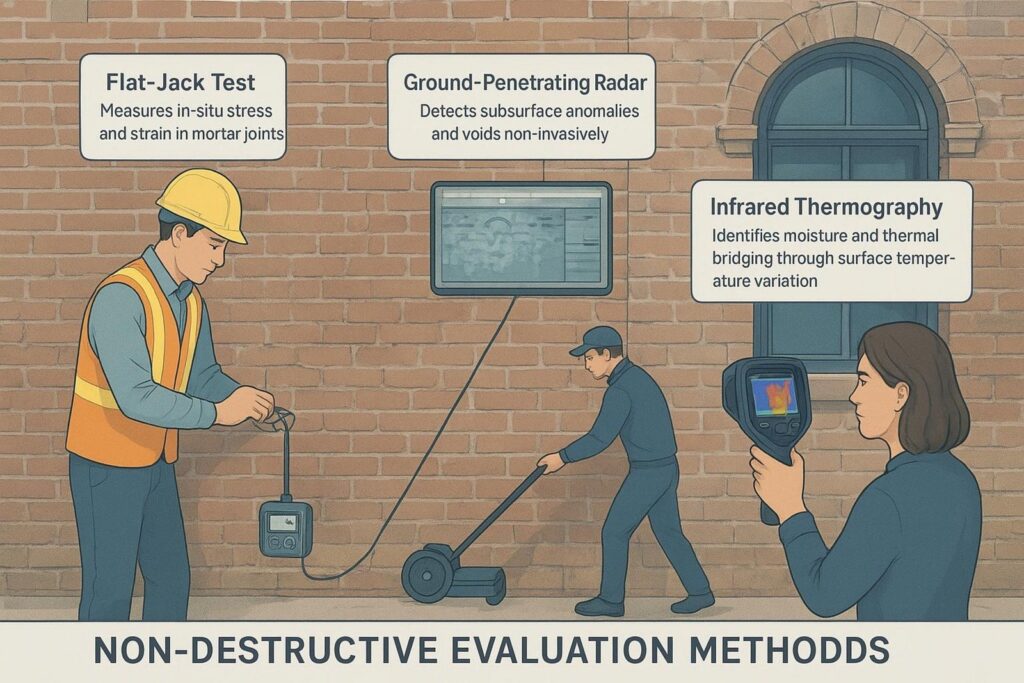
Finding these problems requires a careful inspection before any repairs begin. Experts like Nova Construction Services, a leading exterior restoration company, may use high-resolution photos, drones, and infrared cameras to detect moisture inside walls or hollow spots that point to deeper damage, ensuring a comprehensive approach to the repair and restoration of structures.
Maintaining Structural Stability During Repairs
When part of a historic wall is weak, the restoration crew must keep the building stable while repairs are done. This often means using shoring and bracing systems that support the building while workers remove and replace bricks or stones. In some cases, whole wall sections must be rebuilt using original methods so the new work fits correctly with the existing load-bearing system.
Load-Bearing Capacity Testing and Evaluation
Many historic buildings were built with materials such as timber or unreinforced masonry that may not meet today’s loading needs. Engineers carry out tests to check how much weight the structure can safely carry. This can include non-destructive methods like flat-jack tests, where a small jack is placed in a mortar joint to measure stress, or ground-penetrating radar to locate hidden weaknesses.
These tests confirm that the building can support modern uses, including equipment, finishes, and increased foot traffic.
Safety and Access Requirements for Tall or Complex Buildings
Working on tall churches, multi-story offices, or large commercial buildings brings special access and safety challenges. Scaffolding must be carefully engineered to handle loads and meet OSHA rules and local codes.
Plans must protect pedestrians with debris netting and overhead barriers. When the building is occupied, the work schedule is often broken into phases so tenants can continue to use the space while staying safe.
Material Challenges: Matching and Compatibility Concerns
Difficulties in Sourcing Matching Bricks, Stones, and Mortars
Finding materials that truly match the originals is one of the biggest hurdles. Nineteenth-century bricks were often fired at lower temperatures, so they are softer and more porous than most modern bricks. Historic mortar often used locally sourced sand, which affects color and texture. Matching these materials may require searching salvage yards, ordering custom-fired brick, or testing different sands to get the right appearance and performance.
Issues with Material Compatibility and Long-Term Durability
Compatibility goes beyond appearance; it also involves how the materials behave together. Historic masonry work depends on using products that respond to moisture, temperature, and loading in the same way as the original materials.
If a dense, hard new material is installed next to older, softer material, the older part usually takes more stress and fails sooner. Testing replacement materials for porosity, moisture movement, and thermal expansion helps make sure they will age at a similar rate to the rest of the building.
Custom Mortar Formulations for Historic Masonry
Most modern mortars, such as common Type N or Type S mixes, are usually too strong and rigid for historic walls. Restorers often use custom lime-based mortars instead. These mixes allow moisture to move out through the joints instead of forcing it through the bricks.
They are also slightly water-soluble, which gives them a limited “self-healing” effect-tiny cracks can close over time as the lime reacts with water and carbon dioxide.
Repointing Instead of Replacing for Preservation
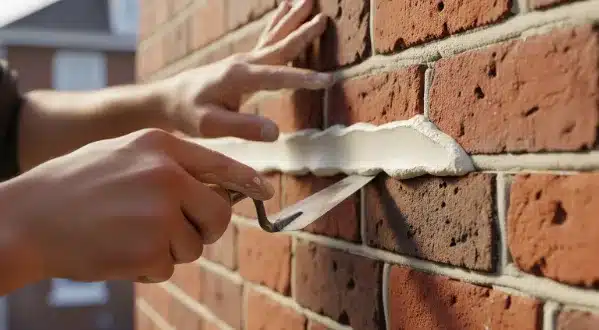
Preservation guidelines say repair should come before replacement whenever possible. Repointing-removing old, damaged mortar and installing new, compatible mortar-is the preferred way to strengthen historic walls.
By focusing on the mortar joints as the “sacrificial” element, workers can save the original bricks or stone and keep the building’s historic value without having to replace the entire facade.
Restoring Original Features and Architectural Details
Decorative brick patterns, carved stone cornices, and other masonry details are key features of historic buildings. These areas are very easy to damage with harsh cleaning methods or quick, low-quality repairs done in the past.
Restoring them means studying historic drawings or old photos and using careful techniques that bring back detail without removing original material. Rebuilding a damaged arch or recreating an old masonry pattern can greatly improve both appearance and value.
Moisture, Weathering, and Environmental Factors
Managing Moisture Intrusion and Water Damage
Controlling moisture is a major part of masonry restoration. Historic buildings handle water differently from many modern ones. Like a tree, they pull moisture up from the ground and let it evaporate through their porous surfaces. Applying modern, non-breathable sealers or paints can trap water inside the wall, causing rot and structural damage. Good moisture control starts with sound roofs, flashings, and gutter systems that move water away from the building.
Weather Impact on Uncovered and Exposed Masonry
Regions such as the Midwest or Pacific Northwest have harsh weather that can quickly damage exposed masonry. When water in the wall freezes, it expands and causes cracks and spalling. During restoration, areas with open joints or removed bricks are at even higher risk. Crews must pay careful attention to temperature and humidity. Many masonry products cannot be applied if temperatures are below 40°F or above 90°F, because they will not cure properly under those conditions.
Preventing Further Deterioration During Restoration
To protect the structure while work is underway, temporary moisture covers and sheltering systems are often installed. In some cases, a siloxane clearcoat can be used on new work to shed water while still allowing the wall to breathe. Keeping detailed records of weather conditions and scheduling moisture-sensitive tasks for mild periods helps extend the life of the repairs.
Navigating Regulations and Historic Preservation Standards
Understanding Local, State, and Federal Compliance
Restoring a historic building often involves many layers of rules and approvals. Some properties are listed with local preservation boards or on the National Register of Historic Places. These groups set clear limits on what changes are allowed. The Secretary of the Interior’s Standards for Rehabilitation, for example, include ten guidelines that focus on keeping historic character while making the building useful for modern needs.
Obtaining Regulatory Approvals for Modifications
Before any major work starts, owners usually need permits and approvals from agencies like Landmarks Preservation Boards. This typically calls for detailed documentation, including drawings, photos, and written explanations for each planned change. Hiring a contractor who regularly works with such agencies can help owners avoid delays and reduce stress by submitting correct information the first time.
Meeting Historic Authenticity Requirements
Authenticity rules can affect almost every part of a project, from mortar type to cleaning methods. For example, abrasive sandblasting is banned on historic brick in many areas because it strips away the hard outer surface and shortens the life of the masonry. Instead, gentle methods such as low-pressure water cleaning or mild chemical cleaners are used to keep the look and texture of the original surface.
Unforeseen Issues and Site-Specific Challenges
Uncovering Unexpected Structural Problems
Once walls are opened up and old finishes are removed, new problems frequently appear that were not seen in the early surveys. These can include hazards like lead-based paint or asbestos, or serious damage from past removals of load-bearing walls or beams. These surprises can raise costs and extend schedules, so having a contingency budget and a flexible timeline is wise.
Managing Operations in Occupied or Commercial Buildings
Working on an active commercial or residential property requires careful coordination. Tenants should be warned in advance about noise, dust, and blocked areas. Temporary walkways and protective partitions are often needed so people can move safely in and out of the building.
Any planned shutoffs of HVAC or other systems-for example, to replace steel lintels-must be scheduled to limit disruption to daily operations.
Unique Challenges in Multi-Story and Large Structures
Large or tall structures must deal with added stresses such as strong winds and difficult access. Restoring upper levels may call for suspended scaffolds, swing stages, or aerial lifts, along with drone inspections. Getting bricks, mortar, and tools to high floors without blocking streets or entrances becomes a major planning task and often requires close coordination with city agencies.
Labor, Expertise, and Project Management Difficulties
Sourcing Skilled and Experienced Craftspeople
The skills needed for historic masonry work are rare. Many of the methods used 100 or more years ago are no longer taught widely. Craftspeople who can carve stone by hand, replicate historic joints, or match old finishes are in short supply and often in high demand. Hiring a team with specific training in historic masonry and a strong record on similar projects is extremely important.
Maintaining Precision and Quality in Workmanship
In true restoration, approximate matches are not acceptable. Joint profiles, tooling marks, and brick placement must closely follow the original. Quality control means constant supervision and the use of sample “mock-up” areas, typically small wall sections that show the chosen methods and materials. These test panels are reviewed and approved before the crew moves ahead on the full facade.
Safety Considerations for Restoration Teams
In addition to usual construction risks, restoration work brings extra hazards such as unstable walls, fragile stone, and exposure to old materials. Workers need training specific to historic structures. Daily checks of scaffolding, lifts, and fall protection equipment are mandatory responsibilities for supervisors to keep crews safe, especially when they are working at height or near busy streets.
Cost, Duration, and Maintenance Expectations
Factors Affecting Project Costs in Masonry Restoration
Historic masonry restoration commonly ranges from $15 to $60 per square foot, depending on the project. Costs are shaped by the condition of the existing materials, the need for custom-made brick or stone, the level of detail in the architecture, and the labor time needed to remove old mortar by hand and install new work. While the price can be high, it protects the building’s structure and preserves its value.
How Long Restoration Projects Typically Take
Many restoration projects take between 2 and 12 months. The length depends on building size, scope of work, review and permit times, and weather. A common sequence is:
- Initial assessment: 1-2 weeks
- Planning and preparation: 2-4 weeks
- Main repair work: 4-16 weeks
- Final detailing and cleanup: 2-4 weeks
Trying to shorten these steps too much, especially mortar curing time, can lead to failures later on.
Planning for Ongoing Maintenance After Restoration
Restoration is the start of a longer care plan, not the end. Owners should schedule regular inspections-often yearly-to catch new cracks, leaks, or staining early. Simple tasks like keeping gutters clear and confirming that ground slopes direct water away from foundations can greatly extend the life of the restored masonry.
Conclusion: The Future of Our Past
Historic masonry restoration comes with real challenges, but it also brings major environmental and cultural benefits. From a sustainability viewpoint, the building that already exists is usually the most efficient choice; saving it avoids the energy and waste involved in demolition and new construction.
As the 21st century continues, new tools like laser cleaning and 3D-printed stone elements are starting to support traditional craft work, giving teams more precise ways to repair features that once seemed impossible to replicate.
Careful, compatible repairs made today help make sure that the stories written in brick and stone can still be read by people many decades from now.