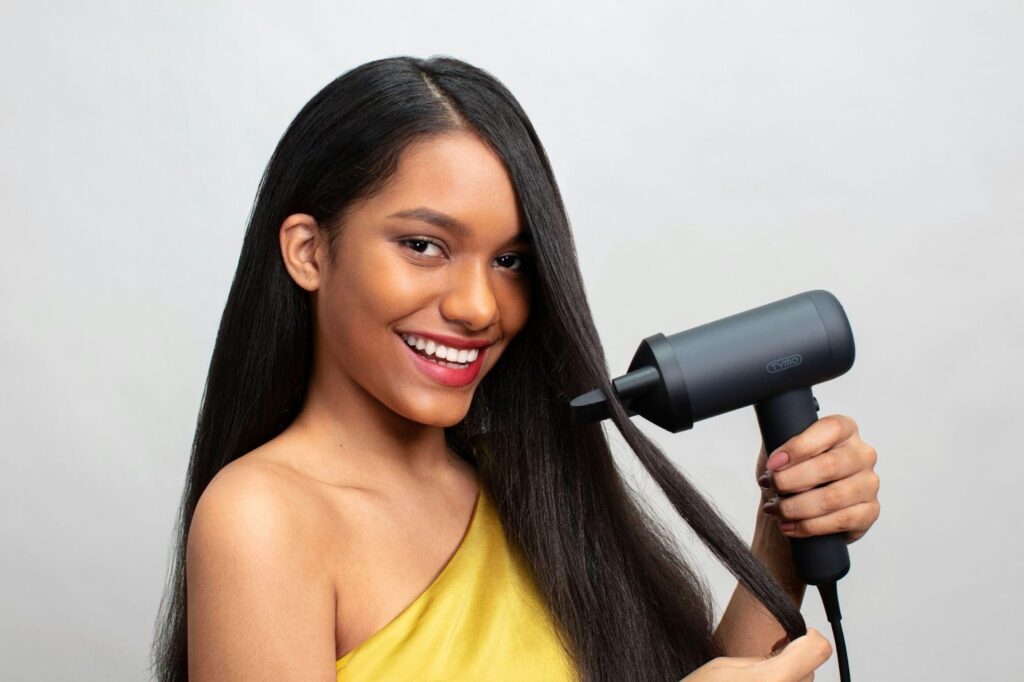
Social media has become a primary space where people discover, test, and discuss beauty and nutrition habits that once spread far more slowly. Platforms built around short videos and visual storytelling make it easy for routines to circulate widely, often detached from professional settings. Articles such as this piece from TAD Beauty appear in these conversations not as endorsements, but as reference points within a much broader ecosystem of at-home experimentation that now defines how many people approach self-care.
Why At-Home Routines Are Gaining Traction
One reason at-home beauty and nutrition habits are trending is accessibility. Professional services, whether salon treatments or nutritional consultations, can be expensive, time-consuming, or geographically limited. Social platforms offer an alternative that feels immediate and personal. A video filmed in a bathroom or kitchen can seem more relatable than guidance delivered in a clinical or commercial setting.
This shift has also changed expectations. Viewers increasingly assume that complex routines can be simplified, adapted, and performed independently. The emphasis is less on mastery and more on participation, with value placed on trying, sharing, and refining techniques through community feedback.
The Appeal of Visual Instruction
Beauty and nutrition content performs especially well online because it is inherently visual. Before-and-after comparisons, close-up demonstrations, and step-by-step clips give the impression that viewers are receiving complete instruction. This visual clarity can create confidence, even when important contextual details are missing.
In beauty routines, particularly those involving delicate areas like eyes or skin, visual familiarity may substitute for technical understanding. Nutrition trends follow a similar pattern, where a few repeated visuals of meals or supplements stand in for deeper discussions about long-term dietary balance or individual needs.
DIY Beauty as a Form of Control
At-home beauty practices often appeal because they offer a sense of autonomy. Performing a routine oneself can feel empowering, especially in a culture that increasingly values customization. Social media reinforces this by framing DIY beauty as both practical and expressive, allowing people to tailor routines to their identities rather than following standardized approaches.
However, autonomy also brings responsibility. When professional oversight is removed, individuals rely on their own judgment and the quality of information available to them. This can be challenging in an environment where popularity and engagement often outweigh accuracy.
Nutrition Trends and Simplified Narratives
Nutrition content follows many of the same patterns. Diets, eating styles, and supplement routines are often presented as straightforward solutions to complex goals. The appeal lies in clarity: clear rules, visible outcomes, and strong personal testimonials.
Yet nutrition science rarely operates in absolutes. Long-term health outcomes depend on a wide range of factors, including genetics, lifestyle, and overall dietary patterns. Institutions such as Harvard T.H. Chan School of Public Health regularly highlight that context matters when interpreting nutrition advice, a perspective that contrasts with the certainty often implied by viral content.
Community Validation and Shared Experience
One of the most influential aspects of social media trends is community validation. Comment sections, duets, and response videos create feedback loops where practices gain credibility through repetition rather than evidence. When many people report similar experiences, the practice begins to feel established, even if it is relatively new or untested.
This peer-driven model can be supportive. People share adjustments, warn others about mistakes, and normalize trial and error. At the same time, it can reinforce misconceptions, especially when dissenting or cautious voices receive less attention than confident, visually compelling content.
Convenience Versus Complexity
A recurring theme in trending at-home habits is the promise of convenience. Beauty routines are framed as salon-level results without appointments, while nutrition habits are presented as shortcuts to better health. Convenience is not inherently problematic, but it can obscure complexity.
Some practices require more precision than is apparent in short-form content. Timing, product compatibility, and individual sensitivity all matter, yet they are difficult to convey in formats designed for speed and engagement. As a result, viewers may underestimate the learning curve involved.
Risk Perception in Online Spaces
Social media tends to downplay risk, especially when content is framed as routine or casual. Repetition normalizes behaviors, making them seem safer than they may be in practice. This is particularly relevant in beauty procedures adapted for home use, where professional safeguards are absent.
Nutrition trends face similar issues. Extreme or restrictive eating patterns can appear manageable when presented through curated daily snapshots, even though they may be difficult to sustain or unsuitable for many people over time.
The Role of Curated Information
Not all trending content is equally shallow. Some creators invest significant effort into research and explanation, linking out to longer resources or acknowledging uncertainty. Articles and longer-form blog posts often sit alongside viral content as attempts to add depth to fast-moving conversations.
The challenge for audiences is distinguishing between material designed primarily for engagement and content intended to inform. Both coexist on the same platforms, often presented with similar visual cues.
What These Trends Say About Modern Self-Care
The popularity of at-home beauty and nutrition habits reflects broader cultural shifts. People increasingly expect self-care to be flexible, personalized, and integrated into daily life. Professional expertise still matters, but it is no longer the sole reference point.
Social media has transformed self-care into an ongoing, participatory process rather than a fixed set of rules. This transformation brings creativity and accessibility, but also uncertainty and uneven quality of information.
Navigating Trends Without Idealization
Understanding why these habits trend helps clarify their limitations. Social media excels at spreading ideas, not at resolving nuance. At-home routines thrive in this environment because they are adaptable and visually compelling, even when the underlying practices are more complex than they appear.
Seen this way, trending beauty and nutrition habits are less about definitive solutions and more about experimentation within a shared cultural space. Their influence lies not in replacing professional knowledge, but in reshaping how people encounter and interpret it in everyday life.