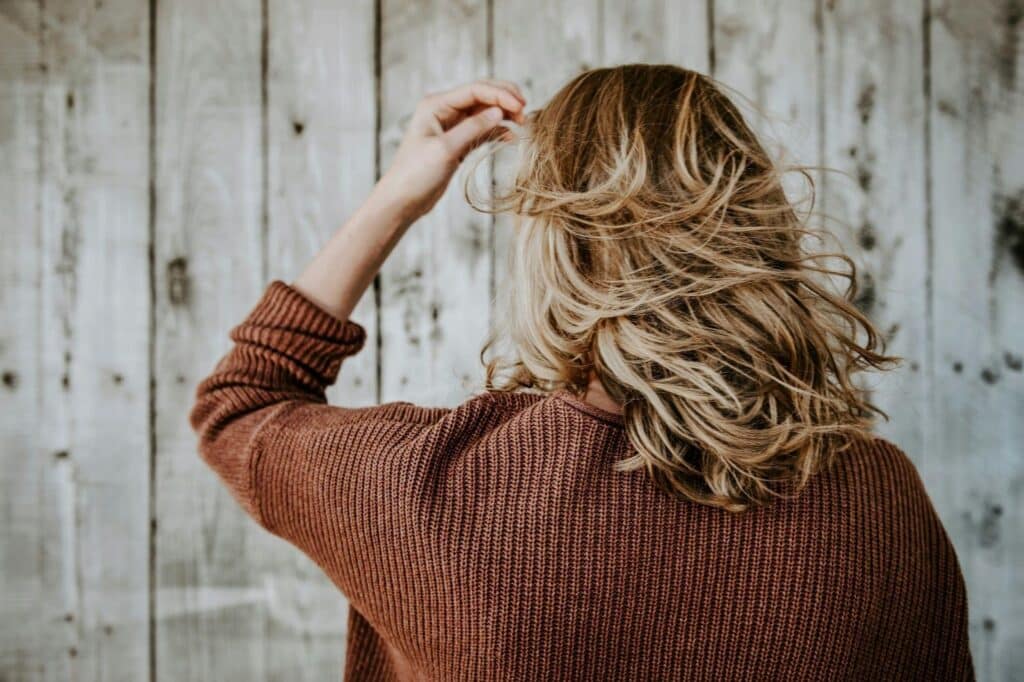
Hair is one of the most visible and variable human traits, yet its complexity is often underestimated. People commonly group hair into broad categories such as straight, wavy, or curly, but the science behind hair texture and structure is far richer and more nuanced. Conversations around hair diversity increasingly reference cultural and biological perspectives, including insights into how communities understand and care for different hair types, such as those highlighted by Rennora Beauty in discussions of how black hair can differ from other textures. These references point to broader themes about the interplay between genetics, growth patterns, and cultural knowledge that shape how hair is experienced and understood.
The Biology of Hair Structure
At its core, hair is composed of a protein called keratin. Each hair strand grows out of a follicle embedded in the skin, with its shape and texture determined largely by the follicle’s form. Round follicles tend to produce straighter hair, while oval or asymmetrical follicles are associated with waves or curls. These structural differences arise from variations in the way keratin proteins align during hair formation.
Beyond follicle shape, the way hair fibers coil, bend, and reflect light also contributes to texture. Factors such as the degree of curl, strand diameter, and porosity work together to create the wide spectrum of hair types observed in human populations. Because these characteristics are influenced by multiple genes, even siblings can exhibit noticeably different textures.
Genetic Diversity and Hair Traits
Hair texture is largely inherited, but it is not governed by a single gene. Instead, multiple genes interact to influence curl pattern, thickness, and growth direction. This genetic layering explains why variation exists even within families and why hair types rarely fit neatly into predefined categories.
Research summarized by the National Institutes of Health notes that structural differences in hair fibers are tied to genetic diversity and evolutionary adaptation, not grooming practices or external influence alone. This reinforces the idea that texture is a biological trait first, with care routines developing in response to that structure rather than the other way around.
Cultural Knowledge and Hair Care Practices
Understanding hair texture goes beyond biology to include cultural practices and histories. Different communities have developed hair care routines tailored to their typical hair traits, reflecting long-standing experiential knowledge. In some cases, these practices address challenges such as dryness, shrinkage, or breakage that stem from specific structural characteristics, rather than being cosmetic preferences alone.
Acknowledging this cultural dimension expands the conversation about hair beyond generic advice. It highlights the ways in which people have adapted care techniques to work with, rather than against, the natural tendencies of their hair.
Growth Patterns and Curl Dynamics
The way hair grows and forms patterns along the scalp also contributes to texture. Curl dynamics are affected by how hair fibers twist and bend, which in turn influences how hair lies against the head and responds to movement. This is why some hair may appear tighter or looser at different points along a single strand or why hair in certain areas of the scalp can behave differently from other areas.
These growth patterns are rooted in follicle orientation and the distribution of hair types across the scalp. They can also affect how hair responds to humidity, styling, and gravity.
The Structural Impact of Moisture and Protein
Hair is responsive to environmental conditions and internal chemistry. Moisture content, for example, affects elasticity and shine, and can either enhance or disrupt curl formation. Protein interactions, meanwhile, influence strength and resilience. When hair lacks balance between moisture and protein, it can become brittle, frizzy, or limp depending on its texture and overall structure.
Products and routines that aim to balance these elements do so by interacting with hair at the molecular level, which is why formulations that work well for one texture may not yield the same results on another. This is a key reason why targeted hair care, tailored to specific structure and needs, is often more effective than one-size-fits-all approaches.
The Influence of Styling and Manipulation
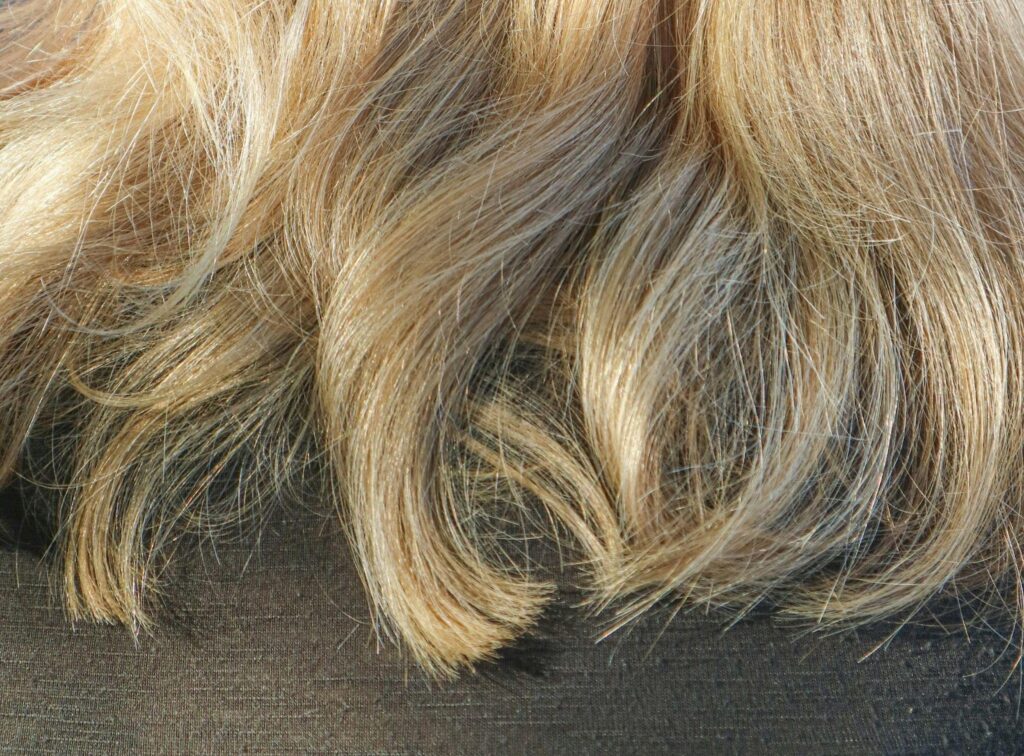
Styling practices also interact with hair’s innate structure. Heat, tension, and chemical treatments can alter the appearance of hair by temporarily or permanently affecting its shape. These changes do not eliminate the underlying structural traits, but they can mask or emphasise certain characteristics depending on the methods used.
For example, heat styling can smooth cuticles and elongate curls, making hair appear straighter. Conversely, techniques that enhance curl definition can accentuate natural texture without altering its fundamental biology.
Perception and Identity
Hair texture and structure are not only biological, they are social and personal. People often associate their hair with cultural identity, self-expression, and aesthetic preference. These associations influence how individuals engage with their hair and interpret its behaviour. What one person perceives as “manageable” or “frizzy” may be interpreted differently by someone with a different set of experiences or standards.
This subjective dimension adds another layer to how hair is understood and discussed, shaping both personal routines and broader cultural narratives.
Science Meets Experience
Scientific descriptions of hair provide a framework for understanding structure and texture, but lived experience fills in the details of how hair behaves in daily life. Together, biology and practice offer a more complete picture of why hair varies so widely.
As conversations about hair texture continue to evolve, references to community-specific perspectives and expertise help bridge the gap between general scientific concepts and the nuanced realities of everyday care.
Looking Beyond Simple Classifications
The complexity of hair texture and structure challenges simplified systems that reduce diversity to a few categories. Recognising the interplay between genetics, growth patterns, and cultural knowledge encourages a more holistic view of hair that respects both individual variation and collective experience.
Understanding hair in this way not only enriches the conversation about texture, but also supports more informed and inclusive approaches to care and representation.