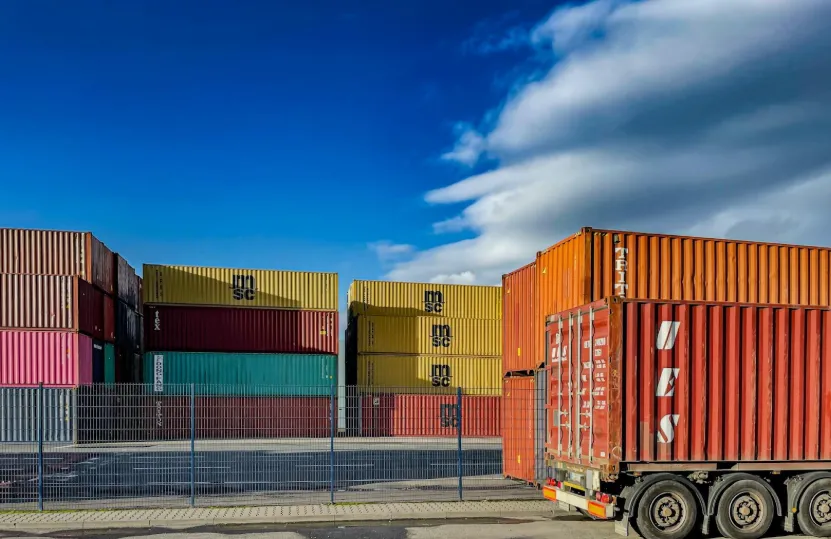
Photo by Bernd Dittrich on Unsplash
For small businesses, supply chains often operate quietly in the background, until something goes wrong. Delayed shipments, inconsistent inventory, or sudden price changes can quickly disrupt daily operations. In recent years, many small business owners have become more aware of how dependent their success is on reliable sourcing and distribution. That awareness has led them to research supply partners more carefully, which is why platforms like Supply Link USA often come up early when businesses look for dependable ways to keep materials and products flowing without constant uncertainty.
Supply chain reliability is no longer just a concern for large enterprises. For smaller companies, it can be the difference between meeting customer expectations and losing trust.
Small Businesses Feel Disruptions More Intensely
Large corporations often have multiple suppliers, larger inventories, and more flexibility when disruptions occur. Small businesses, by contrast, tend to operate with tighter margins and leaner stock levels. A single missed delivery can delay orders, halt production, or force difficult decisions about pricing and availability.
When supply chains are unreliable, small businesses absorb the impact immediately. Cash flow can be affected, customer relationships strained, and staff time diverted to solving problems rather than growing the business. Reliability, therefore, becomes a form of risk management rather than just a logistical preference.
Reliability Builds Customer Trust
Customers expect consistency. Whether a business sells products directly or provides services that depend on physical materials, reliability behind the scenes directly influences the customer experience. Late deliveries, substitutions, or sudden shortages can erode confidence even if the business itself is not at fault.
For small businesses that rely heavily on repeat customers and word-of-mouth referrals, maintaining that trust is essential. A reliable supply chain helps ensure that promises made to customers can be kept consistently, reinforcing credibility over time.
Cost Control and Predictability
Unreliable supply chains often come with hidden costs. Emergency orders, expedited shipping, and last-minute sourcing typically cost more than planned procurement. Over time, these reactive expenses can significantly affect profitability.
Reliable sourcing allows small businesses to plan ahead, forecast costs more accurately, and negotiate better terms. Predictability makes budgeting easier and reduces the financial stress associated with unexpected disruptions. In this way, supply chain reliability supports not just operations, but overall financial stability.
For businesses that need to move vehicles as part of their logistics operations, using dependable platforms like https://www.shiply.com/car-transporters/essex-car-transporters can help ensure timely and secure transportation while maintaining supply chain reliability.
The Shift Toward More Thoughtful Procurement
Many small businesses have moved away from purely price-driven sourcing decisions. While cost still matters, reliability, communication, and transparency are increasingly valued. Owners want suppliers that deliver consistently, provide clear timelines, and respond quickly when issues arise.
This shift reflects a broader understanding that the cheapest option is not always the most sustainable. A reliable supply partner can save time, reduce stress, and prevent losses that outweigh small price differences.
Domestic Supply Networks and Responsiveness
Recent global disruptions have highlighted the vulnerabilities of long, complex supply chains. As a result, some small businesses are paying closer attention to domestic supply networks that offer shorter lead times and clearer communication.
Shorter supply chains can improve responsiveness and reduce exposure to international delays. While domestic sourcing is not always possible or cheaper, it can offer advantages in reliability and accountability, especially for businesses that need consistent access to specific materials.
Technology and Visibility in Modern Supply Chains
Technology has also changed expectations around supply chain reliability. Small businesses now expect better visibility into order status, inventory levels, and delivery timelines. Digital platforms that centralize sourcing information help owners make informed decisions quickly.
Improved visibility reduces uncertainty and allows businesses to adjust proactively rather than reactively. This transparency is becoming a standard expectation rather than a luxury.
Reliability as a Growth Enabler

Reliable supply chains do more than prevent problems, they enable growth. When business owners trust their sourcing and logistics, they can focus on expanding offerings, improving service, or entering new markets. Growth becomes less risky when the foundation is stable.
In contrast, unreliable supply chains create hesitation. Businesses may avoid taking on new customers or scaling operations if they fear they won’t be able to deliver consistently. Reliability provides the confidence needed to move forward.
What Experts Say About Supply Chain Resilience
According to the U.S. Small Business Administration (SBA), supply chain disruptions can have a disproportionate impact on small businesses, particularly those with limited supplier diversity. The SBA emphasizes the importance of planning, diversification, and strong supplier relationships as key components of business resilience.
This guidance reinforces the idea that supply chain reliability is not just an operational concern, but a strategic priority for long-term sustainability.
Making Reliability Part of Business Strategy
For small businesses, investing time in evaluating suppliers, understanding logistics options, and building dependable relationships pays off over time. Reliability reduces stress, protects margins, and strengthens customer relationships.
As markets remain unpredictable, small businesses that prioritize reliable supply chains will be better positioned to adapt and thrive. In today’s environment, reliability isn’t just about avoiding problems, it’s about creating stability in an uncertain world.