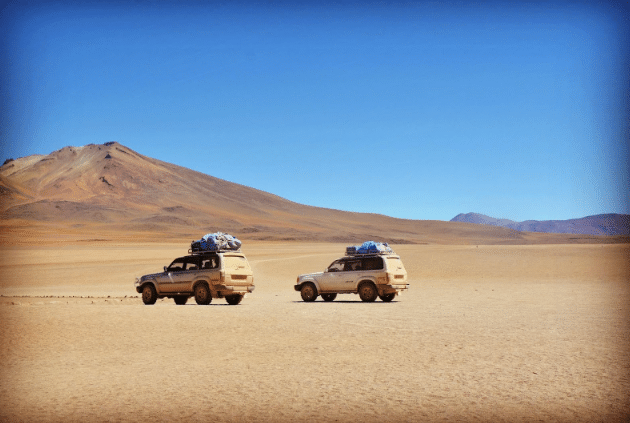
Travel habits have changed. Road trips are no longer just about covering distance between familiar landmarks; they’re about flexibility, preparedness, and making the journey fit individual lifestyles. As drivers plan trips that move between highways, rural roads, and less predictable routes, vehicle setup has become part of travel planning rather than an afterthought. It’s common to hear travellers talk about practical upgrades, such as a front bumper jeep, not as cosmetic changes, but as choices tied to protection, control, and peace of mind on longer or more varied journeys.
Modern drivers are no longer choosing between safety and self-expression. Instead, they are learning how to balance safety, function, and personal travel style in ways that feel intentional rather than excessive.
Safety as the Foundation of Travel Confidence
Safety is the baseline for everything else. No amount of style or performance matters if a vehicle can’t protect its occupants or handle unexpected situations. Today’s drivers are more informed about risk, from wildlife collisions on rural roads to debris on unmaintained tracks and weather-related hazards that appear without warning.
This awareness has shifted how people evaluate upgrades and accessories. Features that improve visibility, recovery capability, or structural protection are often prioritised early, especially by travellers who spend time outside urban centres check this out. Safety-focused decisions tend to be subtle rather than dramatic, but they influence how confident drivers feel venturing beyond well-maintained routes.
The National Highway Traffic Safety Administration consistently emphasises that vehicle preparedness, alongside attentive driving, plays a significant role in reducing injury risk when conditions become unpredictable. That guidance resonates with travellers who see safety not as a restriction, but as an enabler of exploration.
Function That Supports Real Travel Needs
Function bridges the gap between safety and lifestyle. A functional vehicle adapts to how it’s actually used, not how it looks in a showroom. For modern travellers, that often means carrying gear, navigating uneven surfaces, or managing long stretches between services.
Functional upgrades are chosen for specific reasons: to protect vulnerable components, to improve control, or to support self-reliance when assistance isn’t immediately available. These choices are practical, but they also shape how trips unfold. A vehicle that handles rough access roads or unexpected obstacles without drama allows travellers to focus on the experience rather than constant risk assessment.
Importantly, function doesn’t require turning a daily driver into a dedicated expedition vehicle. Many drivers aim for balance, setups that handle occasional adventure without compromising everyday usability.
Personal Travel Style Still Matters
Despite the emphasis on safety and function, personal travel style hasn’t disappeared. It has simply become more integrated. Vehicles still reflect who their owners are, but expression is often quieter and more purposeful.
Some travellers prioritise minimalism, favouring clean lines and restrained modifications that suggest readiness without drawing attention. Others lean into visible signs of adventure, using gear and accessories as markers of how they spend their time. In both cases, style is increasingly tied to use rather than image alone.
This shift reflects a broader cultural change. Authenticity now carries more weight than flash, and travellers are more likely to value setups that feel earned through experience.
Balancing Daily Driving With Adventure
One of the biggest challenges modern drivers face is balancing everyday needs with travel ambitions. Most vehicles serve multiple roles: commuting during the week, road trips on weekends, and longer journeys a few times a year.
This reality has pushed drivers toward flexible, modular choices. Instead of permanent, extreme modifications, they prefer solutions that support travel when needed without becoming burdensome the rest of the time. The result is a more thoughtful approach to vehicle preparation, one that respects both routine and adventure.
Balancing these roles successfully often comes down to prioritising upgrades that deliver consistent benefits rather than situational ones.
Control Over Capability
Photo by Kyle Loftus on Unsplash
An interesting trend in modern travel culture is the preference for control over raw capability. Drivers are less interested in how extreme a vehicle could be and more concerned with how predictably it behaves in real conditions.
Control shows up in choices that improve handling, stability, and responsiveness. It’s about confidence rather than dominance, knowing how the vehicle will react when conditions change suddenly. This mindset aligns with safer driving practices and reduces the temptation to push beyond reasonable limits.
Control also supports better decision-making. When drivers trust their setups, they’re more likely to make calm, informed choices rather than reactive ones.
Planning as Part of the Experience
Balancing safety, function, and style doesn’t happen by accident. It’s part of a broader planning process that many modern travellers now enjoy. Researching routes, understanding terrain, and thinking through contingencies has become part of the travel experience itself.
This planning mindset doesn’t eliminate spontaneity; it supports it. When the basics are covered, travellers can say yes to detours, unexpected stops, or changing conditions without anxiety. Preparation creates freedom rather than limiting it.
Vehicle choices are one piece of this puzzle, sitting alongside navigation, timing, and personal comfort preferences.
Environmental Awareness and Responsibility
Another factor shaping modern travel setups is environmental responsibility. Drivers are increasingly conscious of how their vehicles interact with landscapes, whether on gravel roads, trails, or near protected areas.
Responsible travel emphasises minimising impact, staying on designated routes, avoiding unnecessary damage, and respecting local regulations. Functional setups that support controlled movement and reduce the risk of getting stuck or causing damage align well with this ethic.
This awareness reinforces the idea that good travel style includes consideration for places visited, not just personal enjoyment.
The Role of Experience in Refining Balance
For most drivers, balance isn’t achieved instantly. It evolves with experience. Early trips reveal what’s useful and what’s unnecessary, prompting gradual refinement rather than wholesale changes.
Over time, vehicles become personalised through use rather than trend-following. Each choice reflects lessons learned: what improved safety, what enhanced comfort, and what supported the kind of travel the driver actually enjoys.
This iterative process is why modern travel setups often look understated but purposeful. They tell a story of adaptation rather than ambition.
Why This Balance Defines Modern Travel
The modern driver’s approach to travel reflects maturity in both mindset and execution. Safety provides confidence, function supports real-world needs, and personal style expresses identity without overshadowing purpose.
This balance allows travel to feel sustainable rather than stressful. It supports longer journeys, varied routes, and deeper engagement with destinations. Most importantly, it keeps the focus where it belongs: on the experience of travel itself.
As road trips continue to evolve, this integrated approach is likely to become the norm. Vehicles will increasingly be judged not by how extreme or eye-catching they are, but by how well they support thoughtful, flexible exploration.
In the end, modern drivers aren’t choosing between safety, function, and style, they’re learning how to make all three work together, one journey at a time.