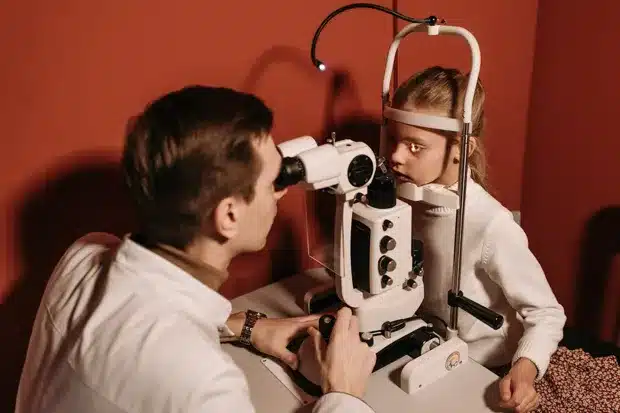
Early eye health is crucial in a child’s overall development, yet it’s often overlooked. Children rely heavily on their vision for learning, playing, and coordinating everyday activities, from catching a ball to reading a book. Undetected vision problems can sneak up on parents, leading to delayed reading skills, behavioural hiccups, or poor hand-eye coordination.
Optometrists do far more than prescribe glasses; they assess the whole visual system, ensuring that eyes and brain are working in harmony. So how can parents be sure their child’s eyes are developing as they should, and why is early optometrists Wagga involvement so important?
Understanding Visual Development in Children
Vision doesn’t simply appear fully formed at birth. It develops in stages, with each phase building on the last. Infants begin by responding to light and focusing on nearby objects, gradually developing the ability to track movement. Toddlers start judging depth and coordinating eye-hand actions, while preschoolers refine these skills during play. By school age, sustained focus, reading, and classroom activities demand sharp visual processing.
Subtle vision issues can fly under the radar until they impact learning or coordination. Conditions like amblyopia (lazy eye), strabismus (crossed eyes), or simple refractive errors may go unnoticed but carry long-term consequences if untreated. The brain and eyes work together to interpret visual information, and missing early warning signs can hamper cognitive and motor development.
- Infants’ eyes – Basic focus and light response
- Toddlers – Depth perception and tracking moving objects
- Preschoolers – Eye-hand coordination during play
- School-age children – Sustained focus, reading, and classroom performance
Optometrists and Early Detection
Optometrists are trained to catch vision problems before they snowball into bigger issues. Developmental vision checks assess binocular function, eye alignment, and how both eyes work together. These tests require specialised equipment and a trained eye, as even attentive parents or teachers might miss subtle misalignments or focusing difficulties.
Early detection absolutely helps. Catching issues like amblyopia in its infancy can often prevent invasive treatments later and helps children remain confident and active. A child struggling to see clearly in class or on the playground can have their developmental trajectory improved dramatically simply through timely optometrist intervention.
Signs That a Child May Need an Eye Exam
Parents should keep an eye out for subtle behavioural cues that suggest something’s off. Squinting, tilting the head to see better, or holding books too close are all warning signs. Children may complain about blurred or double vision, struggle with hand-eye coordination, or avoid tasks that require precise vision.
Some issues don’t make themselves obvious, which is why routine optometrist visits are crucial. Early professional checks often reveal what’s invisible to the untrained eye.
Benefits of Regular Developmental Vision Checks
Regular visits to an optometrist provide far-reaching benefits. They help ensure healthy visual development, support academic performance, and reduce eye strain that can affect focus and energy. Early interventions, such as corrective lenses for refractive errors or patching therapy for amblyopia, can prevent permanent vision loss, keeping children active and confident in their abilities.
Beyond physical eyesight, there’s a psychological advantage. Children with clear vision engage more fully in reading, sports, and play, without the frustration of constantly squinting or misjudging distances. Timely checks set the stage for lifelong visual comfort and optimal development, letting kids enjoy activities with confidence and clarity.
How Parents Can Support Eye Health at Home
It’s important for parents to involve themselves. Balanced screen time, ample outdoor play, and good lighting for reading all support healthy eye development. Nutrition matters too, as Vitamin A, omega-3 fatty acids, and leafy greens strengthen visual function.
Hygiene should not be underestimated: washing hands before touching eyes and keeping lenses clean prevents infections that could complicate vision issues.
How to Choose the Right Optometrist for Your Child
Selecting an optometrist with experience in paediatric care is vital. Credentials, familiarity with child-friendly equipment, and a warm approach that eases anxiety make a huge difference. Practitioners who communicate clearly with both children and parents foster trust, cooperation, and more accurate assessments.
When children feel comfortable, developmental vision checks are smoother and more effective, laying the groundwork for healthy vision habits that last a lifetime. Consider optometrists from reputable institutions like Eyecare Plus.