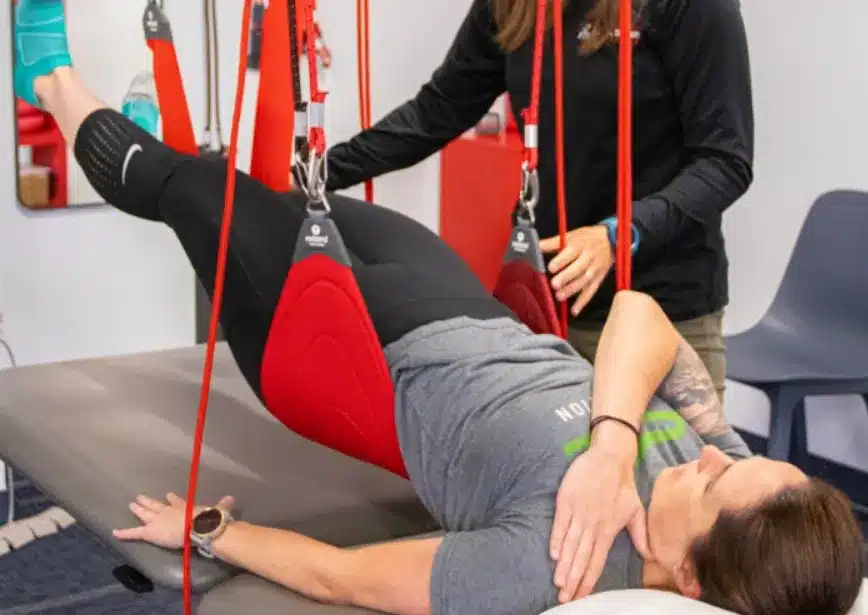
Hip pain can affect nearly every movement you make. Walking, climbing stairs, getting in and out of a car, and even sleeping comfortably can become difficult. Because the hip joint plays such a central role in supporting the body, discomfort in this area often impacts surrounding regions as well. Understanding what happens during physical therapy for hip pain can help you feel confident about taking the first step toward relief.
At Confluent Health, physical therapy begins with a clear goal: identify the root cause of your hip pain and create a personalized plan to restore mobility, strength, and function. Rather than masking symptoms, treatment focuses on long-term improvement and injury prevention.
A Thorough Evaluation to Identify Contributing Factors
Your first appointment typically starts with a detailed conversation about your symptoms. Your therapist will ask when the pain began, what activities aggravate it, and how it affects your daily life. This history provides important clues about the underlying issue.
Next comes a comprehensive physical assessment. The therapist will evaluate your hip range of motion, muscle strength, balance, posture, and walking pattern. They may also assess neighboring areas such as the lower back, knees, and ankles. Hip pain rarely exists in isolation.
For example, spinal alignment can influence how the hips function. In some cases, imbalances addressed in physical therapy for scoliosis treatment may also contribute to uneven loading through the hips. Identifying these connections allows for a more complete and effective treatment plan.
Foot mechanics also play a role. Limited ankle mobility or arch instability can change how force travels up the leg, placing additional strain on the hip joint. If necessary, your therapist may incorporate strategies similar to physical therapy treatment for plantar fasciitis to improve alignment from the ground up.
This whole-body perspective ensures that treatment targets not just the painful area, but the contributing factors behind it.
Hands-On Care Paired With Targeted Exercise Programs
After the evaluation, your therapist will design a personalized plan tailored to your condition and goals. Treatment often includes a combination of hands-on techniques and structured exercise.
Manual therapy may be used to improve joint mobility and reduce stiffness. This can involve gentle joint mobilizations, soft tissue work, or guided stretching to address tight muscles surrounding the hip, sometimes complemented by supportive products like https://www.amazon.com/Magnesium-Oil-Spray-STRENGTH-Essential/dp/B01N0KQ9QJ to help relax muscles. These techniques help decrease discomfort and prepare the body for strengthening exercises.
Targeted strengthening is a core component of recovery. Weak gluteal muscles, hip stabilizers, or core muscles can increase strain on the hip joint. Strengthening these areas improves support and reduces pressure on irritated tissues. Exercises are introduced gradually and progress as you build endurance and confidence.
Flexibility training is also important. Tight hip flexors, hamstrings, or surrounding musculature can limit movement and contribute to pain. Guided stretching restores balanced motion and supports better movement patterns.
Functional training helps bridge the gap between clinic exercises and daily life. This may include practicing stair climbing, squatting, or balance activities to ensure you can return to work, sports, or recreational activities safely.
Throughout the process, education plays a key role. Your therapist will explain how to modify movements, manage flare-ups, and maintain progress at home. This empowers you to take an active role in your recovery.
Hip pain does not have to limit your lifestyle. With a thorough evaluation, hands-on care, and a targeted exercise program, physical therapy provides a clear path toward improved mobility and long-term relief.