Color plays a silent but powerful role in how we experience food. A rich yellow butter, a golden snack, or a vibrant orange cheese instantly sets expectations—before the first bite.
But today, the conversation is no longer just about how food looks. It’s about what creates that color.
As the demand for clean-label products grows, natural food colors are becoming the preferred choice across the industry. And within this shift, one ingredient has quietly held its ground for decades—annatto.
Often overlooked, annatto food color is one of the most widely used and reliable natural color solutions in the food world.
The Shift Toward Natural Food Colors
The move toward natural ingredients isn’t happening in isolation—it’s driven by changing consumer priorities.
Modern consumers:
- Look for recognizable, plant-based ingredients
- Prefer transparency in labeling
- Are cautious about artificial additives
This has led food brands to reformulate products, replacing synthetic dyes with natural alternatives.
But natural colors come with their own complexities. They are influenced by heat, light, and pH—and require careful handling to perform consistently.
This is why certain natural colors, like annatto, stand out.
What Is Annatto Food Color?
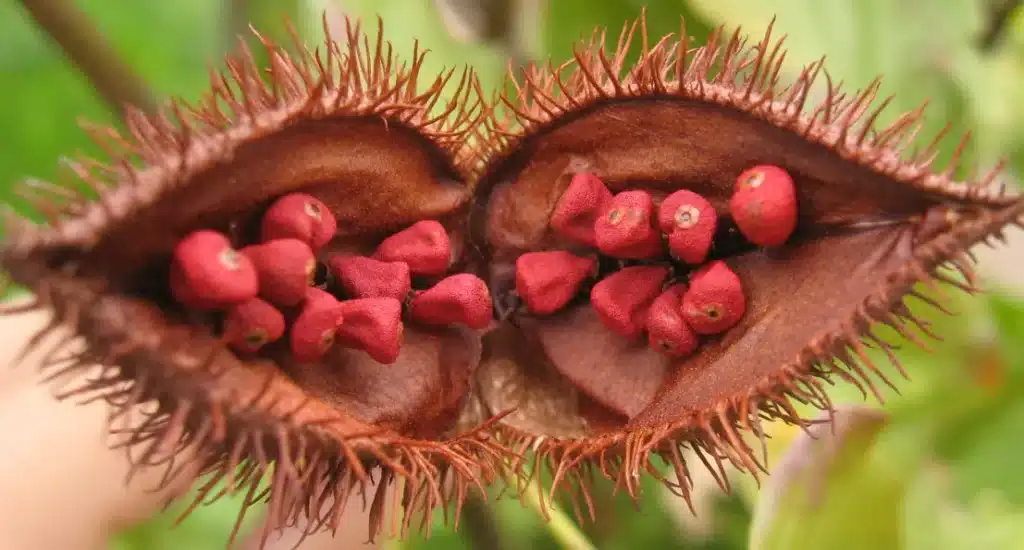
Annatto is derived from the seeds of the achiote tree, native to tropical regions.
The seeds contain natural pigments—primarily bixin and norbixin—which give annatto its characteristic yellow to orange hue.
Depending on how it is processed, annatto can be:
- Oil-soluble (bixin-based)
- Water-soluble (norbixin-based)
This flexibility makes it suitable for a wide range of food applications.
Why Annatto Is So Widely Used
Among natural food colors, annatto holds a unique position because it offers a balance of functionality and familiarity.
1. Good Stability
Compared to many other natural colors, annatto performs relatively well under:
- Moderate heat
- Light exposure
- Processing conditions
This makes it more reliable in large-scale production.
2. Versatile Shades
Annatto can produce a spectrum of colors ranging from:
- Light yellow
- Golden tones
- Deep orange
This versatility reduces the need for multiple color sources.
3. Label-Friendly Appeal
Being plant-derived, annatto fits well into clean-label formulations and is widely accepted across global markets.
Where You’ll Find Annatto in Everyday Foods
Annatto is more common than most people realize.
It is widely used in:
- Dairy products: Cheese, butter, margarine
- Snacks: Chips, extruded products, seasonings
- Bakery: Cakes, fillings, coatings
- Savory foods: Sauces, ready meals
- Beverages: Certain flavored drinks
In fact, the familiar orange shade of many cheeses is often achieved using annatto.
The Practical Challenges of Using Annatto
While annatto is relatively stable, it isn’t without limitations.
Brands and formulators still need to consider:
- pH sensitivity: Water-soluble forms can behave differently in acidic systems
- Shade variability: Natural origin can lead to slight batch differences
- Interaction with ingredients: Especially fats and emulsifiers
Achieving consistency requires careful formulation and quality control.
The Role of Manufacturers in Annatto-Based Solutions
Natural food colors are rarely “one-size-fits-all,” and annatto is no exception.
Manufacturers play a key role in:
- Standardizing pigment concentration
- Offering both oil- and water-soluble variants
- Customizing shades for specific applications
- Ensuring regulatory compliance across markets
In many cases, they also help brands choose the right type of annatto depending on whether the product is fat-based, water-based, or processed at high temperatures.
Why Annatto Continues to Stay Relevant
With so many new natural color innovations entering the market, it’s easy to assume older solutions might fade away.
But annatto has remained relevant for a reason.
It offers:
- A proven track record
- Cost-effectiveness compared to some newer natural colors
- Ease of use across multiple categories
- Reliable performance in everyday applications
In a space where many natural colors struggle with stability, annatto provides a dependable option.
The Future of Natural Food Colors
The demand for natural food colors will only continue to grow.
As technology evolves, we can expect:
- Better standardization of natural pigments
- Improved stability across challenging applications
- Expansion of plant-based color sources
- More tailored, application-specific solutions
Even with these advancements, ingredients like annatto will continue to play a foundational role due to their practicality and versatility.
Final Thoughts
Natural food colors represent a shift toward more transparent and conscious food choices. But they also require a deeper understanding of how ingredients behave in real-world conditions.
Annatto food color is a perfect example of this balance.
It may not be the most talked-about ingredient, but it is one of the most dependable—quietly delivering color, consistency, and performance across countless products.
And in an industry where both appearance and trust matter, that reliability is what truly makes a difference.