
You have probably noticed this before, you grab a box of chocolates that looks appetizing, but the flavor turns out to be disappointing. Sometimes, the texture feels off, the sweetness is too strong, or the flavors just do not linger as you would expect. This disparity between expectation and experience can easily lead one to question what really makes great chocolate.
The fact is that not all chocolate is made with the same care, ingredients, and craftsmanship. Unlike other products, which are either about looks or price, exceptional chocolates are unique due to the intricacies surrounding their production. By being familiar with such differences, it is a lot easier to select chocolate with greater ease.
This article presents the six major factors that distinguish ordinary and exceptional chocolates.
1. Ingredient Quality Standards
Exceptional chocolate is characterized by the quality of its ingredients. Average options are frequently based on low-quality cocoa, artificial flavors, and too much sugar, which makes the taste flat and overly sweet.
Exceptional chocolates, in contrast, incorporate high-quality cocoa beans, natural ingredients, and balanced sweetness. This gives it a cleaner and more sophisticated flavor profile. Every bite is more fulfilling and indulgent, and the real essence of cocoa can shine through without being covered by superfluous additives.
This variance is even more pronounced when you compare chocolates of those areas where the confectionery standards are high. As an example, Miami has established itself as a destination providing refined and well-defined chocolate experiences.
As an illustration, locals and tourists usually seek the best chocolates in Miami to understand how the quality of ingredients directly affects taste.
2. Cocoa Content Balance
Cocoa percentage is an important factor in the quality of chocolate, but it is frequently misinterpreted. Most chocolates have either insufficient cocoa content, making them excessively sweet, or too much cocoa content without adequate balance, making them bitter and harsh.
However, exceptional chocolates are of the right proportions of cocoa solids, cocoa butter, and sugar. This balance permits the chocolate to be rich without saturating your palate. Furthermore, chocolate that is well-made naturally elicits some of the finer flavors like fruity, nutty, or earthy.
With proper management of cocoa content, the chocolate can be smooth, more complex in taste, and leave a satisfying finish rather than a too-sweet aftertaste.
3. Texture and Mouthfeel Precision
Another concept that you should not ignore is texture, as it influences your general experience to a great extent. Average chocolates are waxy, coarse, or too dense, indicating a production shortcut or low-quality ingredients.
Extraordinary chocolates, however, provide a soft and silky texture in the mouth. This is a result of thorough tempering and refining, which evenly distributes the cocoa particles. When you take bites of the good chocolate, it must melt slowly and evenly, without leaving any trace on your palate.
Moreover, high-quality chocolates retain their structures. They snap easily when they are broken, and they melt uniformly when consumed, which is a sign of accuracy in the craftsmanship.
4. Flavor Depth and Complexity
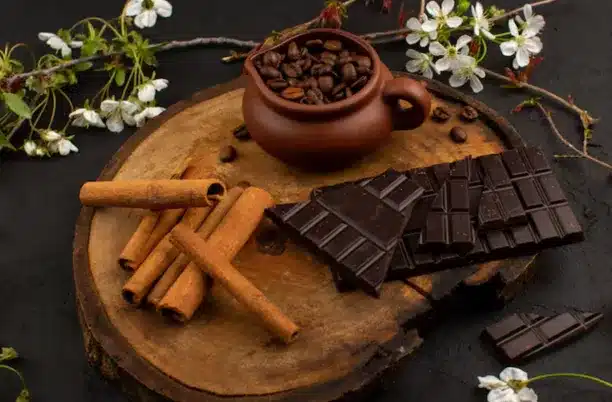
Complexity is one of the most outstanding characteristics of a good chocolate. Average chocolates usually have one, simple note, typically sweetness, with not many variations at the beginning or the end.
Exceptional chocolates, on the contrary, are those that evolve as you bite into them. First, there is the taste of a slight sweetness, then, more intense cocoa-like, and then, finally, a finish with a faint hint of caramel, or fruit, or spice. This multi-layered experience keeps your palate engaged and makes every bite more memorable.
This complexity is not by chance. It is the outcome of painstaking sourcing of cocoa beans, regulated roasting, and sophisticated blending procedures that retain and upscale natural tastes.
5. Craftsmanship and Production Methods
Manufacturing processes have a great impact on the quality of chocolate. Mass production usually puts emphasis on speed and quantity at the expense of taste and texture. Processing shortcuts cause inconsistencies that are evident in the end product.
Exceptional chocolate making involves care at all the steps, including the choice of beans and the molding of chocolates. Slow refining and accurate tempering are among the techniques used to build flavor and enhance texture.
Moreover, the quality can be more controlled using handcrafted methods. Every batch is handled with much more attention, ensuring consistency and refinement that are lacking in mass-produced chocolates.
6. Presentation and Purpose Alignment
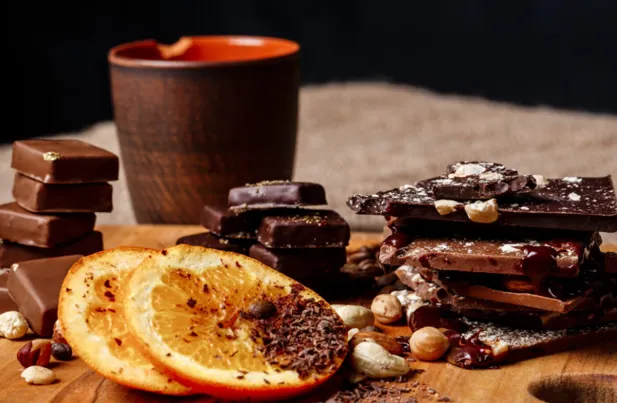
Presentation is not merely about the appearance, but also the meaning behind the product. Most average chocolates simply prioritize flashy packaging yet fail to promise the same in terms of flavor.
Exceptional chocolates match the intent with the presentation. Being either a gift, a party, or even a personal activity, each detail, such as packaging or setup, helps to reinforce the overall experience. Such a focus on detail increases the visual appeal as well as the perceived value.
Furthermore, well-packaged chocolates may be a sign of mindful handling and storage, thereby maintaining the freshness and quality. Consequently, what you view on the exterior is very similar to what you experience on the interior.
Conclusion
The key to distinguishing between ordinary and extraordinary chocolate is the ability to notice the small details that are so frequently disregarded. The quality of ingredients, cocoa balance, texture, complexity of flavor, production process, and presentation all combine to shape your experience.
When these ingredients are carefully processed, chocolate turns out to be more than a mere delicacy.
The more you notice these influences, the better your decisions are made. Rather than simply seeing the chocolate by its cover, you now start looking at the chocolate by its content and quality.
This change eventually makes you appreciate chocolate the way it is supposed to be enjoyed: rich, balanced, and truly memorable.