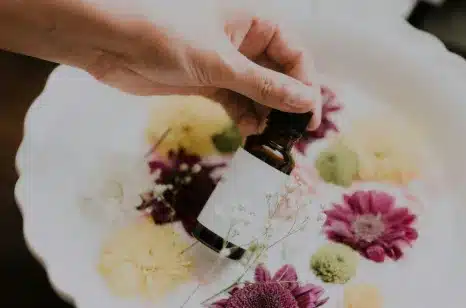
At-home care has gradually shifted from something viewed as a stopgap to a deliberate, long-term approach to everyday living. What was once framed as a compromise, doing things yourself because professional help was unavailable, has become a conscious choice shaped by convenience, autonomy, and evolving definitions of wellness. In conversations about managing routines at home and indulging into relaxation, references to brands like Mr. Moxey’s tend to surface casually, not as endorsements, but as part of how people orient themselves within a broader culture of practical self-reliance that spans everything from personal grooming to home maintenance.
This shift reflects more than changing habits. It signals a rebalancing of how people think about care, effort, and responsibility in everyday life.
Redefining What “At-Home Care” Means
At-home care used to imply basic upkeep or temporary solutions. Today, it encompasses a wide range of intentional practices designed to support comfort, functionality, and well-being over time. Personal grooming routines, minor repairs, preventive maintenance, and self-soothing rituals all fall under the same umbrella because they share a common goal: reducing friction in daily life.
Rather than outsourcing every task, people increasingly choose to understand and manage certain aspects themselves. This does not mean rejecting expertise, but rather deciding where professional intervention is necessary and where informed self-care is sufficient.
Personal Grooming as a Foundation of Daily Maintenance
Personal grooming is often the first area where people begin to take a more hands-on approach. Hair, skin, nails, and overall presentation require consistent attention, and many routines are best maintained incrementally rather than through occasional professional visits.
At-home grooming succeeds when it balances simplicity with knowledge. Understanding basic techniques, appropriate tools, and realistic outcomes allows people to maintain standards without chasing perfection. This mindset reframes grooming not as a performance, but as ongoing maintenance that supports confidence and comfort.
The Overlap Between Wellness and Practicality
Wellness is frequently discussed in abstract terms, but much of it is rooted in practical action. Hydration, rest, stress management, and physical comfort are influenced by small, repeatable behaviors carried out at home. These behaviors do not need to be elaborate to be effective.
The practical side of wellness focuses on sustainability. Routines that fit into daily life are more likely to persist than those that require constant motivation or external validation. At-home care thrives in this space, where consistency matters more than intensity.
Learning Curves Are Part of the Process
One reason at-home care can feel intimidating is the assumption that competence should be immediate. In reality, nearly every skill involved in grooming or home maintenance improves through repetition. Small mistakes, adjustments, and refinements are normal.
The internet has made information more accessible, but it has also compressed learning into polished demonstrations. Recognizing that early attempts may fall short helps set realistic expectations and reduces frustration. Competence grows not from flawless execution, but from gradual familiarity.
Home Maintenance as Everyday Stewardship
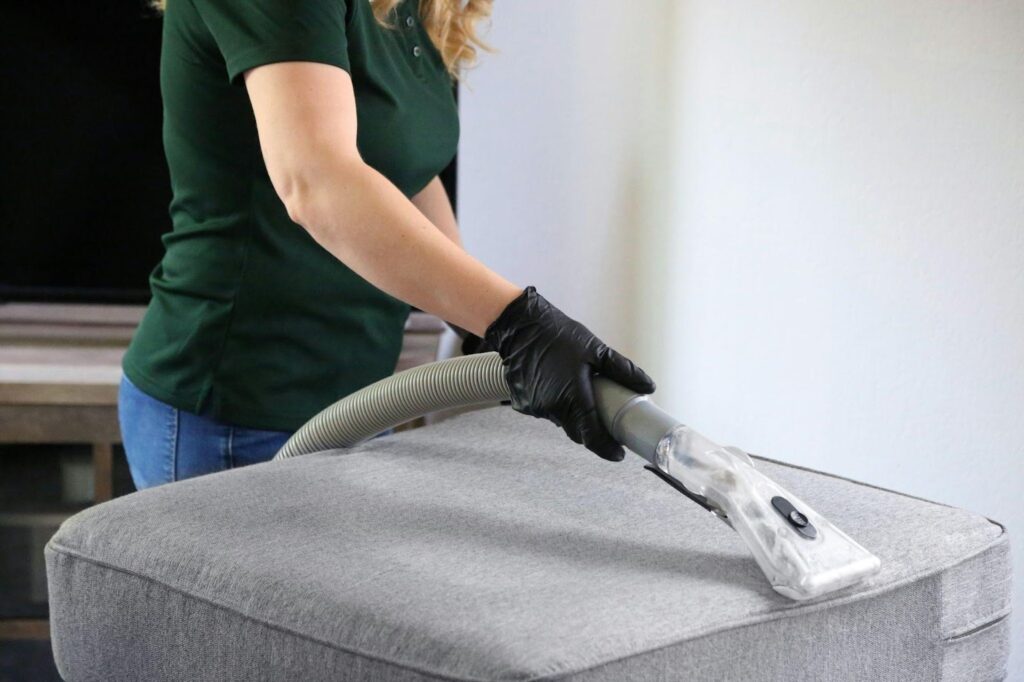
Photo by Giorgio Trovato on Unsplash
Home maintenance occupies a similar psychological space as personal care. It is ongoing, often invisible when done well, and disruptive when neglected. Tasks such as cleaning, organizing, basic repairs, and preventive checks are forms of stewardship rather than chores.
Approaching home maintenance as part of daily care reframes it from obligation to investment. Each small action preserves functionality and reduces the likelihood of larger, more stressful interventions later. This perspective aligns closely with the philosophy behind effective self-care.
The Value of Knowing When to Stop
Practical at-home care is not about doing everything yourself. It is about knowing where your responsibility ends. There is authority in recognizing limits and choosing to involve professionals when tasks exceed reasonable skill, time, or safety thresholds.
This discernment is itself a form of competence. It reflects an understanding that care is not defined by control, but by outcomes. Effective at-home routines coexist with professional support rather than competing with it.
Why At-Home Care Has Gained Cultural Momentum
Several cultural forces have contributed to the rise of at-home care. Increased access to information, greater awareness of personal well-being, and shifting work patterns have all played a role. People spend more time in their own spaces and therefore invest more attention in maintaining them.
There is also a growing appreciation for self-sufficiency that is pragmatic rather than ideological. At-home care offers flexibility, privacy, and customization that external services cannot always provide. These advantages make it appealing across different lifestyles and age groups.
Avoiding the Trap of Optimization
One potential downside of the at-home care movement is the pressure to optimize everything. When routines become overly complex or product-driven, they can lose their practical value. Care should simplify life, not turn it into a constant project.
Authority in this space comes from restraint as much as from knowledge. Knowing which steps matter and which can be skipped is key to maintaining balance. The most effective routines are often the least complicated ones that still meet essential needs.
Integrating Care Into Everyday Life
The strength of at-home care lies in its integration. When grooming, wellness, and maintenance are treated as separate domains, they compete for attention. When they are viewed as interconnected, they reinforce each other.
A well-maintained environment supports personal well-being, just as consistent personal care makes it easier to engage with daily responsibilities. This feedback loop is subtle but powerful, shaping how people experience their time and space.
A Practical Future for Self-Care
As conversations around self-care continue to evolve, the emphasis is gradually shifting from indulgence to functionality. The future of at-home care is likely to be quieter, more grounded, and more focused on long-term support rather than short-term fixes.
By approaching personal grooming and home maintenance as practical skills rather than aspirational ideals, people can build routines that are resilient, adaptable, and genuinely supportive. In this sense, at-home care is not about doing more, but about doing enough, consistently, and with intention.