Custom windows are a transformative addition to any home, offering enhanced aesthetics, improved energy efficiency, and tailored functionality. Unlike standard, off-the-shelf windows, custom windows are designed to meet the unique dimensions, style preferences, and performance requirements of a homeowner’s property. Understanding the process from concept to installation helps homeowners make informed decisions that maximize comfort, efficiency, and long-term value.
Custom window projects involve several carefully coordinated steps, from initial design and selection to professional installation and maintenance. Each stage plays a critical role in ensuring that the final product not only complements the home’s architecture but also performs reliably for years to come.
Step 1: Conceptualization and Design
The custom window process begins with conceptualization and design. Homeowners define their goals for the project, considering factors such as style, functionality, natural light, ventilation, and energy efficiency. Architects, designers, or window professionals help translate these ideas into feasible plans that align with the home’s structure.
During this stage, homeowners select key attributes including window type, shape, frame material, finish, and glass options. Choices like double or triple-pane glass, Low-E coatings, and insulated frames are considered to improve thermal performance and reduce energy costs. The design phase ensures that every custom window meets both aesthetic and functional objectives.
Step 2: Measurements and Technical Planning
Accurate measurements are crucial for custom windows. Specialists visit the property to take precise dimensions of openings and assess the surrounding structure. This step ensures a proper fit, which is critical for both appearance and performance.
Technical planning may also include evaluating load-bearing considerations, weatherproofing requirements, and insulation needs. Professional guidance ensures that windows will be energy-efficient, secure, and compliant with local building codes. Any structural adjustments needed to accommodate custom designs are addressed at this stage, avoiding complications during installation.
Step 3: Manufacturing the Windows
Once the design and measurements are finalized, custom windows are manufactured according to specifications. High-quality materials such as wood, vinyl, fiberglass, or composite frames are selected based on durability, insulation properties, and maintenance requirements. Glass panels are fabricated with precise tolerances, often including energy-saving features like multiple panes, Low-E coatings, or argon gas fills.
Modern manufacturing techniques allow for intricate designs, unique shapes, and specialized finishes. Quality control is a key focus to ensure that each window meets performance and aesthetic standards before leaving the factory. Custom windows are built to withstand environmental conditions while providing lasting comfort and efficiency.
Step 4: Delivery and Preparation
Before installation, the home site is prepared for the new windows. This may involve removing old windows, repairing structural elements, or making necessary adjustments to ensure a seamless fit. Delivery of custom windows is carefully coordinated to avoid damage, and installers inspect each unit to verify specifications and quality.
Preparation also includes protecting interior spaces and landscaping, ensuring that the installation process proceeds smoothly and safely. Proper site preparation minimizes disruptions and allows for precise placement during installation.
Step 5: Professional Installation
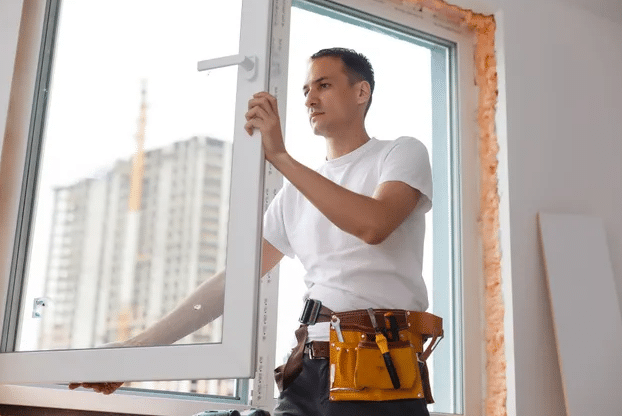
Professional installation is the final and most critical step in the custom window process. Skilled installers position each window carefully, ensuring that it is level, square, and properly anchored. Sealing and insulation are applied around the frame to prevent drafts, moisture intrusion, and energy loss.
Expert installation ensures that custom windows function correctly, open and close smoothly, and maintain optimal energy efficiency. It also protects the structural integrity of the home and preserves the longevity of the windows. Proper installation guarantees that the design intent is realized both aesthetically and functionally.
Step 6: Final Inspection and Maintenance Guidance
After installation, a thorough inspection confirms that all windows meet design specifications and operate as intended. Installers verify alignment, locking mechanisms, weatherproofing, and overall appearance. Homeowners are provided with guidance on maintenance, including cleaning, seal inspection, and periodic hardware checks to extend the lifespan of their windows.
Regular upkeep ensures that custom windows continue to perform efficiently, maintain their visual appeal, and provide lasting comfort. Following professional advice helps homeowners maximize their investment in high-quality window solutions.
Conclusion
The process of creating and installing custom windows involves careful planning, precise measurement, quality manufacturing, and expert installation. From concept to final inspection, each step is designed to ensure that the windows meet aesthetic, functional, and energy-efficient standards. By understanding this process, homeowners can make informed decisions, enjoy superior comfort, enhance curb appeal, and invest in long-lasting home improvements. Custom windows are more than just openings for light they are a reflection of design vision, quality craftsmanship, and lasting performance.