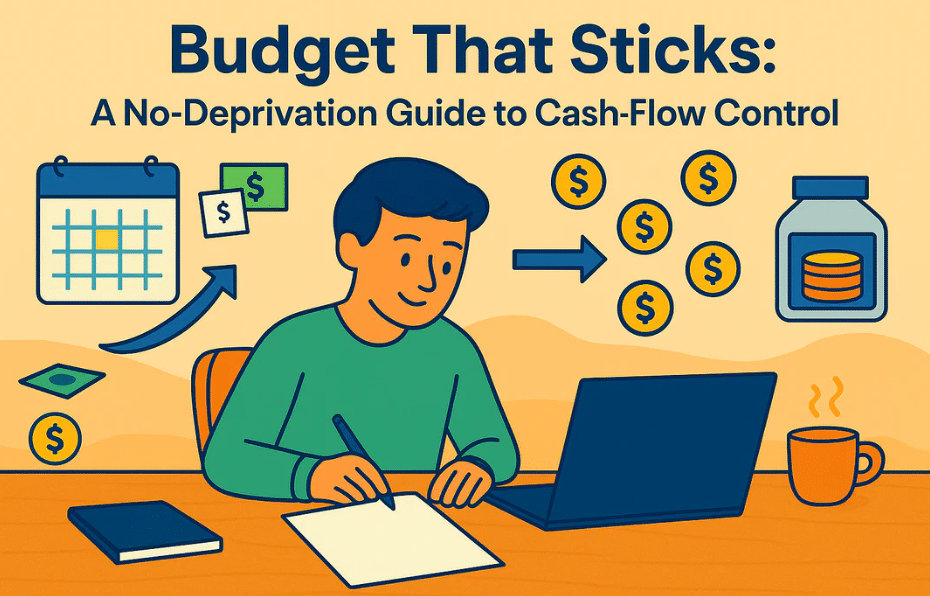
For a lot of people, the word budget feels like a punishment. It brings up images of cutting everything fun, saying no to every invitation, and staring at spreadsheets with a sense of guilt. But that version of budgeting misses the point completely.
A budget is not a cage. It is a training tool. When used correctly, it builds self discipline the same way a workout routine builds muscle. It strengthens your ability to choose long term stability over short term impulse. For some people, that discipline eventually helps them avoid extreme measures like seeking credit card debt relief after balances spiral out of control. The goal is not restriction. It is control.
When you shift your perspective from deprivation to discipline, budgeting stops feeling like something that is done to you. It becomes something you use.
Discipline Is Freedom in Disguise
It sounds backward at first. How can discipline create freedom? But think about any skill. Athletes train consistently. Musicians practice scales. Students follow study schedules. The discipline creates mastery, and mastery creates options.
Money works the same way. Without a plan, your spending is reactive. Bills surprise you. Impulse purchases add up. Stress creeps in. With a plan, your money has direction.
The Consumer Financial Protection Bureau offers practical tools for creating spending plans and tracking expenses. Notice the language used. It is about planning and awareness, not punishment. Budgeting is framed as a way to align money with priorities.
When you choose where your dollars go before they disappear, you are practicing self control. That control reduces anxiety because you know what to expect.
Moving From Scarcity to Intention
Deprivation says, “I cannot have this.” Discipline says, “I choose not to have this right now.”
That shift matters. Scarcity thinking focuses on what is missing. Intentional budgeting focuses on what matters most.
Instead of cutting everything enjoyable, assign money to what genuinely adds value to your life. If dining out with friends is important, include it in your budget. If travel motivates you, create a savings category for it.
The key is that every expense has a purpose. Random spending drains energy. Intentional spending builds satisfaction.
Understanding the Psychology of Spending
Money decisions are rarely logical. They are emotional. Stress, boredom, celebration, and comparison all influence purchases.
Research on behavioral economics, including work from institutions like the Federal Reserve, shows that automatic systems such as scheduled transfers and structured savings plans significantly improve financial outcomes. Their educational resources at explain how habits and systems shape money behavior.
Budgeting strengthens discipline by reducing the number of emotional decisions you have to make. When savings are automated and bills are scheduled, you are less likely to rely on willpower in moments of weakness.
Discipline is easier when it is built into the system.
Creating a Budget That Builds Strength
A restrictive budget fails because it ignores reality. A disciplined budget accounts for real life.
Start with essentials. Housing, utilities, food, transportation. Then include minimum debt payments. After that, assign funds to savings and future goals. Finally, allocate money for flexible spending.
The order matters. You are protecting stability first, then progress, then enjoyment.
Review your numbers monthly. Adjust as income changes. Discipline is not rigidity. It is consistency with flexibility.
Each month that you follow your plan, you strengthen financial confidence. Confidence reduces fear. Reduced fear lowers the urge to overspend impulsively.
Practicing Delayed Gratification Without Misery
One of the strongest elements of self discipline is delayed gratification. Choosing to wait for something bigger instead of grabbing something smaller immediately.
This does not mean never enjoying your money. It means pausing before acting. Implement a twenty four hour rule for non essential purchases. If you still want it the next day and it fits your budget, buy it without guilt.
That pause is a discipline exercise. It strengthens patience. Over time, you become less reactive to marketing and social pressure.
Delayed gratification also builds momentum. Watching a savings account grow is satisfying. Paying down debt is motivating. Those visible wins reinforce the habit.
Replacing Shame With Ownership
Many people approach budgeting from a place of regret. Past mistakes. Missed payments. Overspending. Shame makes discipline harder.
Instead of dwelling on what you should have done, focus on what you can control now. A budget is a forward looking tool. It is not a punishment for yesterday.
Ownership means acknowledging your current situation without self judgment. From there, every disciplined action becomes a step toward stability.
If you overspend one month, adjust the next. If income drops, revise categories. Discipline is not perfection. It is returning to the plan repeatedly.
Making Budgeting a Personal Standard
Think of budgeting as part of your identity. Just like exercising or eating well, it becomes something you do because it reflects who you are.
You are someone who plans.
You are someone who prioritizes long term goals.
You are someone who respects future stability.
When budgeting is tied to identity rather than obligation, it feels empowering.
Seeing Discipline as Self Respect
At its core, budgeting is self respect. It is a way of saying your future matters. Your peace of mind matters. Your goals matter.
Deprivation says life is smaller because of limits. Discipline says life is stronger because of structure.
When you build financial discipline, you gain clarity. You gain confidence. You gain the ability to make decisions without fear of the unknown.
Budgeting is not about cutting joy out of your life. It is about choosing joy deliberately. It is about shaping your money so it supports who you want to become.
In that light, a budget is not a restriction at all. It is a framework for freedom.