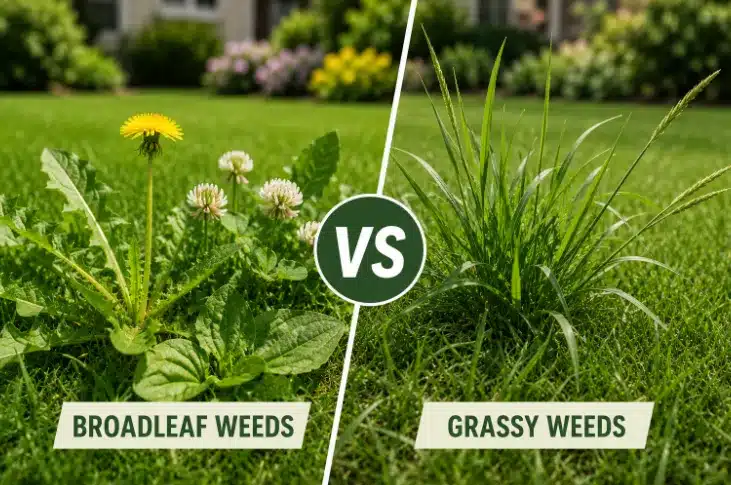
Walk outside and look at the weeds growing in your lawn. At first glance, they may all seem like the same problem. But to a lawn care professional, they’re often completely different plants that require different treatment strategies.
Understanding the difference between broadleaf weeds and grassy weeds is one of the most important steps in effective lawn care. Applying the wrong treatment may waste time, money, and effort while allowing the weeds to continue spreading.
Fortunately, learning the basics isn’t difficult. Once you know what to look for, you’ll be much better equipped to choose the right control method—or know when it’s time to call in the professionals.
What Are Broadleaf Weeds?
Broadleaf weeds are exactly what their name suggests—they produce wide, flat leaves rather than narrow grass-like blades. Many are flowering plants and are easy to distinguish from the surrounding turf because they stand out in both shape and color.
Unlike lawn grasses, broadleaf weeds typically have branching stems and leaves that grow in pairs or alternate along the stem.
Some of the most common broadleaf weeds include:
- Spurge
- Dandelion
- Clover
- Chickweed
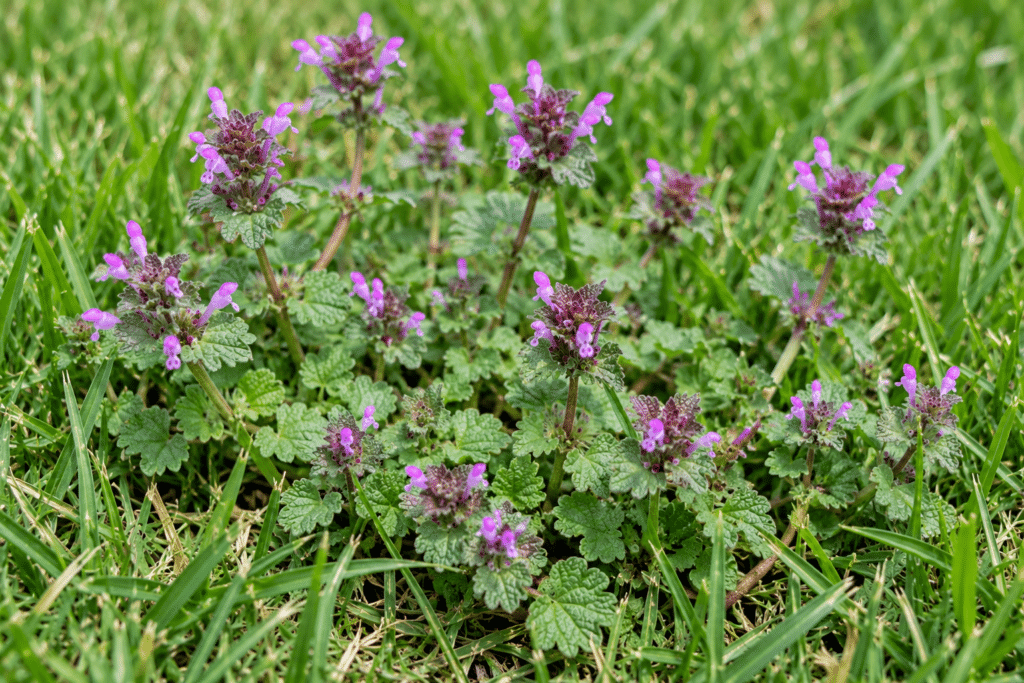
- Henbit
- Oxalis (yellow woodsorrel)
Because these weeds look so different from your lawn, homeowners often notice them quickly. The challenge is determining which broadleaf weed you’re dealing with, since each species has its own growth habits and preferred treatment.
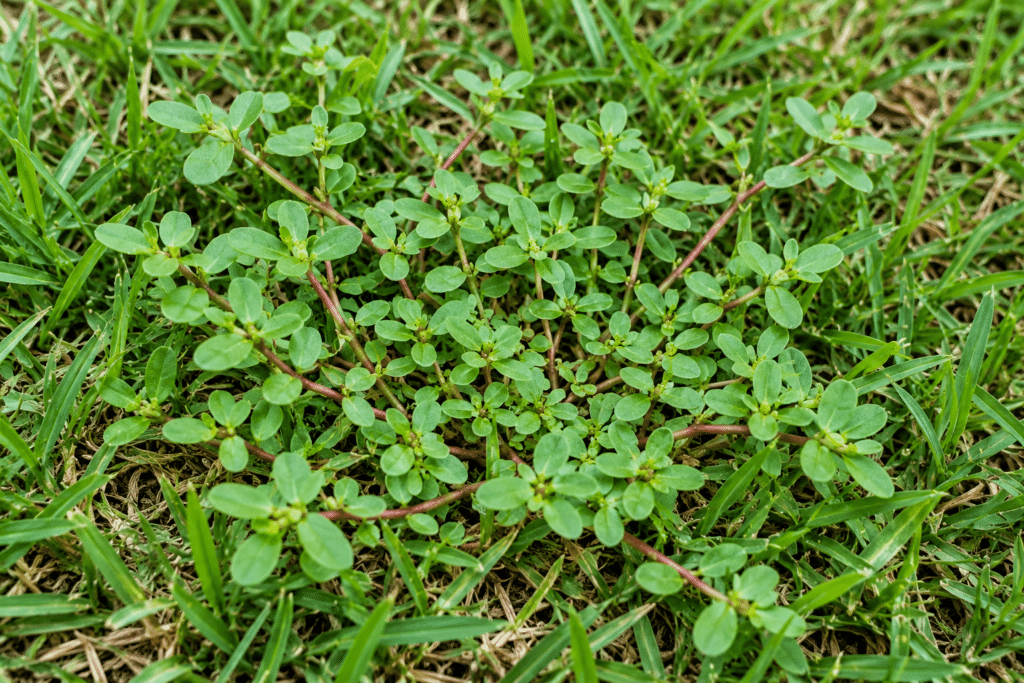
One of the most common broadleaf weeds homeowners encounter is spurge.
Spurge is a broadleaf weed with unique characteristics, including small oval leaves and a milky white sap that appears when the stems are broken.
If you think spurge may be invading your yard, Ryno Lawn Care’s guide on what kills spurge but not grass explains how to identify this common weed and discusses treatment options that target spurge while helping protect desirable turfgrass. It’s an excellent resource for homeowners who want to understand why some weed killers work better than others.
What Are Grassy Weeds?
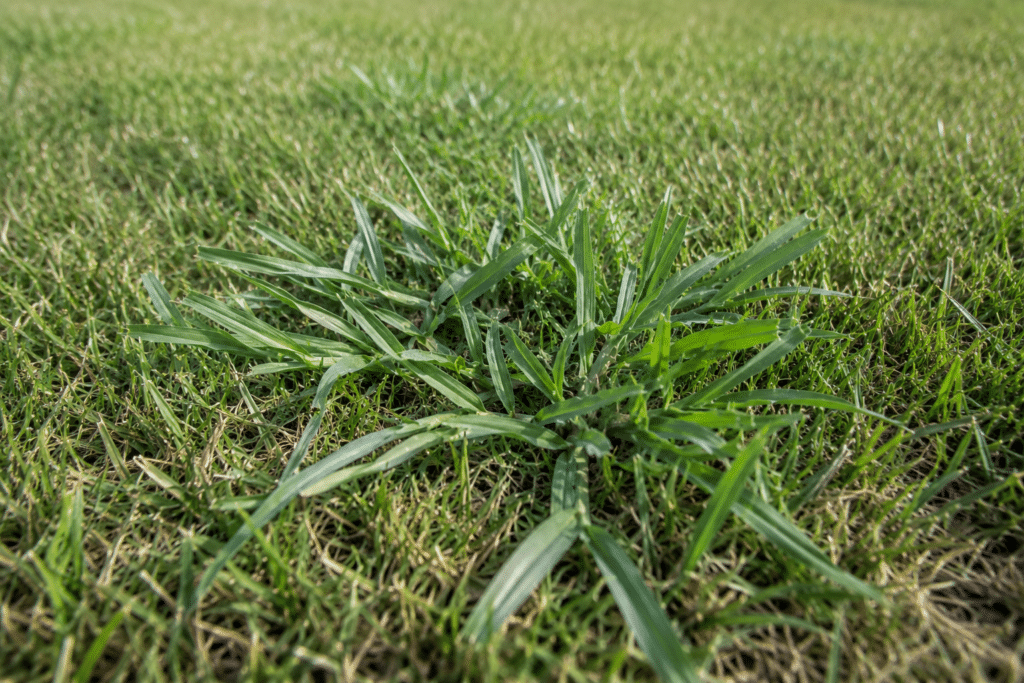
Grassy weeds are much harder to identify because they resemble the grass you’re trying to grow.
They have narrow blades, parallel veins, and grow similarly to turfgrass, making them blend into the lawn. In many cases, homeowners don’t realize they have grassy weeds until patches begin growing taller, faster, or a different shade of green than the surrounding lawn.
Common grassy weeds include:
- Crabgrass
- Goosegrass
- Dallisgrass
- Annual bluegrass
- Foxtail
Because grassy weeds look so similar to desirable turf, controlling them can be more challenging. Many products that kill grassy weeds would also damage your lawn if used incorrectly.
Why Weed Identification Matters
One of the biggest misconceptions about weed control is that there is a single product that kills every weed.
In reality, lawn care professionals begin by identifying the weed because different plants respond to different treatments.
For example, a product that effectively controls broadleaf weeds may have little impact on grassy weeds. Likewise, some weeds are annuals that grow from seed each year, while others are perennials with deep roots, rhizomes, or underground tubers that allow them to return season after season.
Treating the wrong weed with the wrong product often leads homeowners to believe the treatment “didn’t work,” when the real issue was incorrect identification.
A Simple Way to Tell the Difference
While there are always exceptions, you can usually begin by asking yourself a few simple questions.
| Feature | Broadleaf Weeds | Grassy Weeds |
| Leaf shape | Wide, flat leaves | Narrow blades |
| Appearance | Usually easy to spot | Often blends into lawn |
| Flowers | Frequently produce flowers | Usually produce seed heads |
| Growth habit | Branching stems | Grass-like clumps or spreading blades |
| Examples | Spurge, clover, dandelion | Crabgrass, dallisgrass, goosegrass |
Although this comparison is helpful, some weeds can still be difficult to identify, especially during early growth stages.
The Biggest Mistake Homeowners Make
Here’s something many people don’t realize:
Professionals don’t choose the weed killer first—they identify the weed first.
This simple change in thinking makes a tremendous difference.
Imagine going to the pharmacy and asking for medicine without knowing whether you have allergies, the flu, or a bacterial infection. The treatment depends on the diagnosis.
Weed control works the same way.
Broadleaf weeds, grassy weeds, and sedges each have different life cycles, growth patterns, and vulnerabilities. Choosing a treatment before identifying the weed is often little more than guesswork.
That’s one reason professional lawn care companies spend so much time learning weed identification. It allows them to recommend targeted treatments instead of applying products that may not solve the underlying problem.
When Should You Call a Professional?
If you’re dealing with just one or two weeds, identifying them and treating them yourself can often be successful.
However, if you notice weeds spreading throughout your lawn, returning every season, or appearing despite repeated treatments, it may be time for a professional evaluation.
A lawn care expert can identify the weed species, determine why it’s thriving, and recommend a long-term management plan that addresses both the weeds and the overall health of your lawn.
Healthy, dense turf is still one of the best defenses against future weed infestations.

Frequently Asked Questions
What is the difference between broadleaf weeds and grassy weeds?
Broadleaf weeds have wide leaves and branching stems, while grassy weeds have narrow blades that closely resemble turfgrass. Because they grow differently, they often require different treatment methods.
Why is weed identification important?
Proper weed identification helps ensure you’re using the correct control method. Treating the wrong type of weed often results in poor control and recurring infestations.
Can one weed killer kill every type of weed?
No. Different weed species respond to different herbicides and control methods. That’s why identifying the weed before choosing a treatment is so important.