Understanding Forklift Rentals: A Practical Solution for Modern Businesses
In the fast-paced world of industrial operations and warehouse management, efficient material handling is critical to maintaining productivity, reducing downtime, and ensuring workplace safety. Forklifts are indispensable tools for moving heavy loads, organizing inventory, and supporting logistics operations. However, owning a forklift outright can involve significant capital investment, ongoing maintenance, storage requirements, and depreciation costs. This is where forklift rentals emerge as a strategic alternative, allowing businesses to access high-quality equipment on a temporary or project-specific basis. Renting forklifts provides companies with the flexibility to scale operations according to demand, access the latest models with advanced safety features, and eliminate the financial burden associated with ownership.
The practice of utilizing forklift rentals has grown substantially because it caters to diverse operational needs. Organizations managing seasonal demand, temporary projects, or fluctuating workloads can greatly benefit from rental services. Instead of investing in a permanent fleet, businesses can rent forklifts that match their current operational requirements, ensuring that resources are allocated efficiently and projects are completed without unnecessary delays. Furthermore, rental providers often include maintenance and technical support as part of the service, giving operators peace of mind and ensuring compliance with industry safety standards.
Key Benefits of Choosing Forklift Rentals
There are numerous advantages to opting for forklift rentals beyond the immediate financial savings. One of the most significant benefits is operational flexibility. Companies can select from a variety of forklift types, including electric, diesel, and gas-powered models, as well as specialized variants such as reach trucks or pallet jacks. Each model serves a unique purpose, from navigating tight warehouse aisles to lifting heavy loads in outdoor or industrial environments. By choosing the right type of forklift through a rental service, businesses can optimize productivity, reduce labor strain, and ensure that material handling tasks are completed efficiently and safely.
Cost efficiency is another major advantage. Purchasing forklifts requires a substantial upfront investment, as well as ongoing expenses related to maintenance, storage, insurance, and training. For businesses with temporary or fluctuating needs, renting forklifts allows capital to be invested in other critical areas such as workforce development, facility upgrades, or inventory management. Rental agreements can be tailored to project duration, providing flexibility for short-term assignments or long-term operations, while minimizing financial risk.
Selecting the Right Forklift for Your Needs
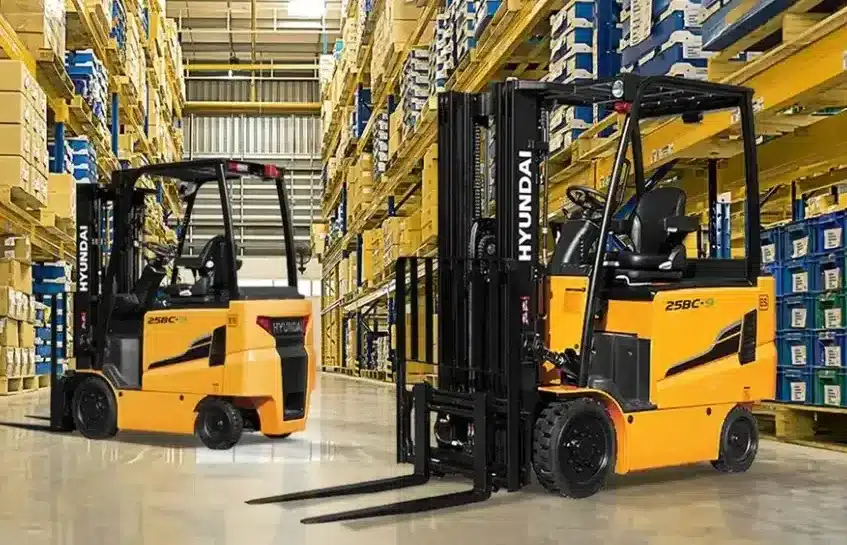
Choosing the right forklift is crucial to ensure operational efficiency, workplace safety, and cost-effectiveness. When considering forklift rentals, several factors must be evaluated, including load capacity, lift height, aisle width, and terrain conditions. For example, electric forklifts are ideal for indoor operations due to their quiet operation and zero emissions, whereas diesel or gas forklifts are better suited for outdoor or heavy-duty applications. Understanding the specific needs of the project ensures that the rented forklift can handle the workload safely and efficiently, without unnecessary equipment swaps or downtime.
Load capacity and stability are critical considerations. The forklift must be able to safely lift and transport materials without exceeding weight limits or compromising operator safety. Rental providers often assist in evaluating project requirements and recommending the most suitable equipment. Leveraging rental services ensures that businesses gain access to models equipped with the latest technology, including ergonomic controls, automated safety features, and enhanced stability systems, which contribute to smoother operations and reduced risk of workplace accidents.
Safety Protocols and Best Practices for Forklift Operation
Operating a forklift requires proper training, adherence to safety protocols, and continuous awareness of the working environment. When utilizing forklift rentals, it is important to ensure that operators are certified and familiar with the specific model being used. Key safety measures include pre-operation inspections to identify mechanical issues, proper load handling techniques, maintaining clear visibility during operation, and adherence to speed and maneuvering guidelines. Rental providers often offer support, training, and maintenance to ensure compliance with regulatory standards and reduce the likelihood of accidents.
Planning operations in advance can also enhance safety outcomes. Identifying high-traffic areas, potential obstacles, and optimal routes for material movement reduces the risk of collisions or tipping. Utilizing modern forklifts through rental services allows companies to benefit from integrated safety features, such as automatic braking systems, stability control, and ergonomic designs that reduce operator fatigue. These measures contribute to both productivity and employee well-being, making forklift rentals a practical choice for businesses committed to operational safety.
Financial and Operational Advantages of Forklift Rentals
The economic benefits of forklift rentals are particularly compelling for businesses managing projects with variable requirements. Instead of investing in a fleet of forklifts that may remain underutilized during low-demand periods, rental agreements allow organizations to access equipment only when needed. This reduces overhead costs and enables capital to be allocated more efficiently. Additionally, rental services typically include routine maintenance, inspections, and technical support, which eliminates the hidden costs associated with equipment breakdowns and repair management.
Operationally, rental forklifts allow companies to adapt quickly to changes in workload or project scope. A sudden increase in demand can be addressed by renting additional forklifts, while smaller projects may require fewer units, avoiding unnecessary expenditure. Rental services provide access to the latest models equipped with advanced technology, offering higher efficiency, better maneuverability, and improved fuel economy or energy efficiency. This flexibility ensures that businesses can maintain continuous workflow while optimizing both cost and operational performance.
Environmental Considerations and Modern Forklift Technology
Modern forklifts, particularly electric and hybrid models, contribute to reducing environmental impact and promoting sustainable operations. Forklift rentals enable businesses to leverage environmentally friendly equipment without committing to long-term ownership. Electric forklifts produce zero emissions, making them ideal for indoor environments, environmentally sensitive areas, or warehouses with strict air quality regulations. Additionally, rental fleets are typically maintained at peak efficiency, reducing energy consumption and minimizing the carbon footprint of daily operations.
By accessing the latest forklift technology through rentals, businesses also benefit from ergonomic and automated features that enhance operator comfort, improve precision, and reduce the risk of repetitive strain injuries. Advanced control systems, stability enhancements, and integrated safety sensors all contribute to safer and more productive operations, allowing companies to meet operational goals while adhering to sustainability and safety standards.
Conclusion: Leveraging Forklift Rentals for Maximum Efficiency and Safety
In conclusion, forklift rentals provide a strategic solution for businesses seeking to optimize material handling operations, improve workplace safety, and reduce financial burden. The benefits of renting forklifts include access to a wide range of models, operational flexibility, cost efficiency, maintenance support, and the latest technological features. Selecting the appropriate forklift requires careful evaluation of project requirements, load capacity, and environmental considerations, ensuring that rented equipment meets the demands of the operation safely and efficiently.
By relying on professional rental services, companies can focus on achieving productivity goals, managing projects effectively, and maintaining compliance with industry safety standards. For businesses facing fluctuating workloads, seasonal demand, or temporary projects, forklift rentals offer a practical, economical, and safe alternative to equipment ownership. Leveraging rental solutions ensures that every operation, regardless of scale or complexity, can be executed with confidence, precision, and operational efficiency.