Millions of people live every day with ongoing physical suffering. In the past, the usual strategy was restricted to either rest or powerful medication. Modern medicine has changed, nevertheless, to more active and different approaches. The emphasis now is on enhancing people’s mobility and emotional state using a combination of psychological assistance, lifestyle changes, and physical treatments.
Medical experts now know that pain is more than simply a one injury. It encompasses the neurological system, daily routines, even emotional well-being. Clinics provide improved outcomes by taking into account the whole person rather than just one ailment. This change enables people to take back their lives free from depending only on quick fixes.
Multi-Disciplinary Care
Modern clinics do not operate on their own anymore. Rather, various professionals join together to approach pain simultaneously from many directions. This cooperative effort guarantees that should one approach falter, another stands ready to cover the void.
- Integrated Physical Therapy: This consists in customized training regimens meant to build the body and increase flexibility. Therapists show patients how to move properly to prevent future tension rather than merely relying on treatments like Massage Therapy Cambridge or simply rubbing a painful muscle. These programmes emphasise developing long-term resilience and enabling the body to heal itself by means of regular, low-impact exercise.
- Specialized Local Support: Consistent treatment requires access to local specialists. For instance, going to a chronic pain clinic in Kitchener allows patients to see physicians who concentrate just on nerve and joint problems. These clinics provide sophisticated diagnostics and customized treatment programs far beyond what a doctor can usually deliver in a regular consultation.
- Psychological Support and Coaching: Chronic pain can take a toll on mental health and cause stress or depression. Cognitive behavioural therapy assists individuals alter their view of symptoms. Managing the emotional aspect of physical pain usually helps people to discover that their physical feelings become much more manageable on a daily basis.
Advanced Physical Treatments
Manual therapy and focused care have become considerably more accurate. Better training and technology enable practitioners to identify the precise cause of discomfort, whether it is in the joints, muscles, or spine.
- Modern Chiropractic Adjustments: One of the foundations of general physical performance is spinal health. A good chiropractor in Markham, such as Urban Care Chiropractic, moves gently and precisely to realign the body and relieve pressure on nerves that are easily irritated. This method aims to solve the underlying structural problems that lead to reoccurring discomfort and stiffness, not merely cover them.
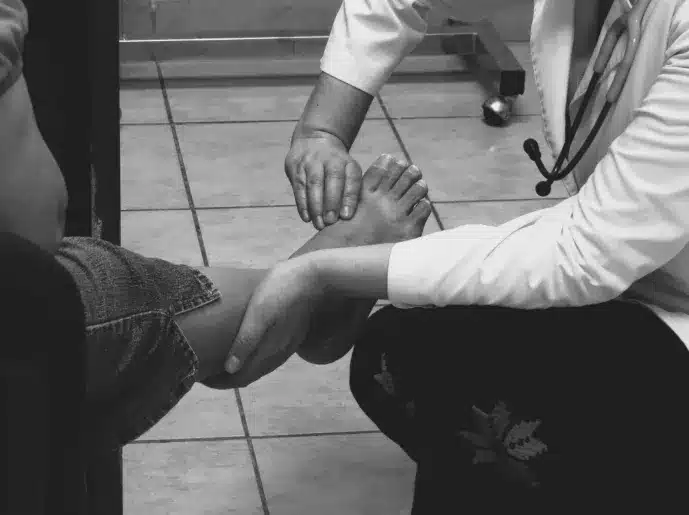
- Comprehensive Foot and Ankle Care: Problems with our walking pattern often result in lower back, hip, and knee discomfort. Going to a foot clinic in North York let experts look for discrepancies in your gait. Custom orthotics or particular foot exercises can help them to correct your basis, which usually addresses discomfort issues occurring higher up in the body.
- Regenerative Medical Techniques: Certain contemporary clinics use therapies meant to help the body repair its own injured tissues. These techniques use natural biological processes to accelerate healing in ligaments and tendons. It’s a proactive approach to wear and tear that in the past could have necessitated intrusive surgery.
Lifestyle and Self-Management
The most effective treatment regimens consist of elements a person may undertake at home. A major component of contemporary recovery is empowerment. Patients who seize control of their own health typically experience speedier and longer-lasting benefits.
- Anti-Inflammatory Nutrition: Our bodies’ level of inflammation is directly affected by our food choices. Many modern advisors recommend diets high in whole foods, healthy fats, and greens to help decrease internal inflammation. For many people, cutting processed sugars and chemicals can help to greatly lower the frequency and severity of flare-ups.
- Sleep Hygiene and Recovery: The majority of the body’s healing occurs during sleep. Teaching patients how to sleep better by means of regular and surroundings adjustments is one of the components of modern pain treatment. Improved sleep increases one’s pain tolerance, which greatly facilitates keeping active and upbeat during the next day.
- Mindfulness and Stress Reduction: When you are under a lot of stress, your body becomes more receptive to physical signals. Methods like meditation and deep breathing quiet the neurological system. This diminishes the “fight or flight” reaction, which in turn can lessen the level of agony a person experiences in their regular daily activities.
The approach we take to treating chronic pain has improved. We currently have more tools that target the underlying causes of pain instead of merely the symptoms. One can live a full, active life and lessen discomfort by combining intelligent lifestyle decisions with professional physical care.