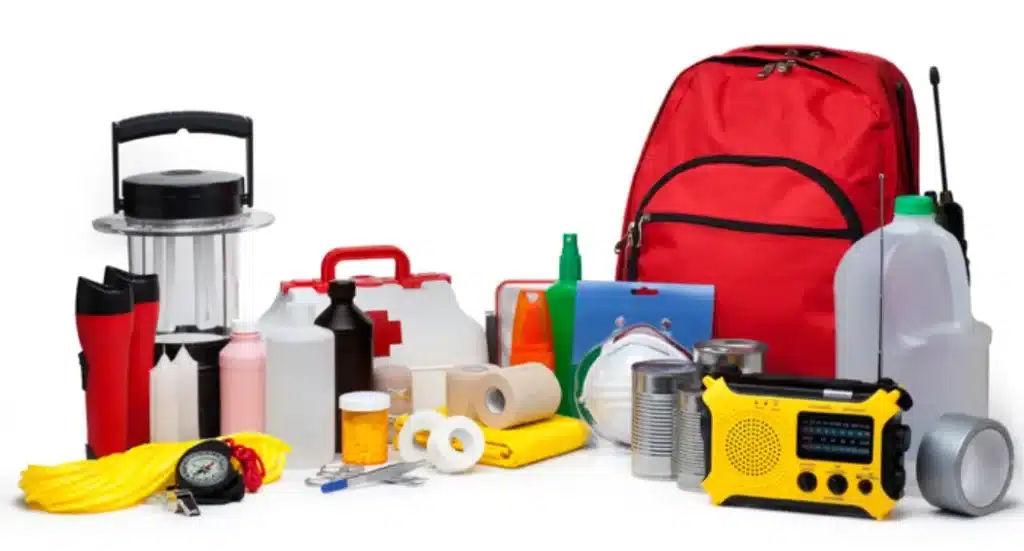
It starts the moment the spaghetti models align on the weather channel. That familiar pit in your stomach forms, not just because of the approaching storm, but because of what comes before it: “The Lost Day.” You know exactly what that day entails. It means dragging heavy, warped plywood sheets out of the back of the garage. It means balancing on a ladder in gusty winds, wrestling with wingnuts that seem to have rusted shut since last season. It is physically exhausting, dangerous, and consumes precious time you could spend gathering supplies or securing your family.
Once the job is done, the reality sets in. You are sealed inside your own home, cut off from natural light, waiting in a dark, stifling box. But storm safety shouldn’t require turning your home into a pitch-black bunker. There is a middle ground between the brute force of boarding up and the high cost of fully automated systems.
Manual roll-down screens offer the perfect balance of High Velocity Hurricane Zone (HVHZ) certified strength and fail-safe reliability without the need for electricity. You shouldn’t have to choose between safety and living in a pitch-black bunker for three days. This article will explore more on the switch to manual roll-down hurricane screens. You can secure your entire home in minutes without worrying about motor failure when the grid goes down.
The “Dark Cave” Problem: Why Traditional Prep Fails
We often focus on the physical labor of storm prep, but the psychological toll is just as heavy. When you bolt steel panels or nail plywood over your windows, you are effectively sealing yourself in a sensory deprivation tank. The “Dark Cave” effect is real, and it significantly heightens anxiety during a hurricane.
Imagine sitting in your living room at noon, but needing a flashlight to navigate because every window is blocked. As the storm approaches, the wind begins to howl. Because you cannot see outside, every creak, thump, and whistle sounds like the roof is tearing off. You lose your connection to the environment. You can’t see if that tree in the front yard is bending or breaking; you can’t see if the water is rising. This visibility gap creates a sense of helplessness that makes the duration of the storm feel twice as long.
Beyond the mental strain, traditional prep is a logistical nightmare. Rigid panels and plywood sheets are bulky. For the 360 days a year when there isn’t a hurricane, they sit in your garage or shed, eating up valuable floor space, collecting spiderwebs, and warping in the humidity. In contrast, a manual screen system lives permanently above your windows in a sleek, low-profile housing. It doesn’t clutter your life; it simply waits there, invisible until you need it.
Manual vs. Motorized: Why Simplicity Equals Safety
In our modern world, we are conditioned to believe that “smart” and “motorized” are always better. We want push-button convenience for our garage doors, our blinds, and our thermostats. However, when it comes to disaster preparedness, simplicity is the ultimate form of reliability.
The primary job of a hurricane protection system is to function when conditions are at their absolute worst. Motorized screens are fantastic luxuries, but they introduce a critical point of failure: electricity. If a storm intensifies rapidly and the power grid fluctuates or fails before you have fully deployed your screens, you could be left with a screen stuck halfway down. While manual overrides exist for motors, they are often slow and cumbersome to engage under pressure.
The risk of power loss is not theoretical; it is a near-certainty during major weather events. The U.S. Energy Information Administration (EIA) reports that hurricane-related power outages are increasing, with 2024 seeing nearly double the average interruption hours of the previous decade.
When you opt for a manual crank system, you remove the variable of power entirely. It doesn’t matter if the transformer down the street blew three hours ago. It doesn’t matter if you forgot to charge a backup battery. You grab the hand crank, hook it into the gear, and lower the screen. It works every single time. Furthermore, this simplicity eliminates the need to hire expensive electricians for installation or worry about future motor repairs, making it a smarter long-term investment for the practical homeowner.
Engineered for Impact: How Fabric Stops Flying Debris
A common objection from homeowners accustomed to “heavy” protection is skepticism about fabric. How can a textile possibly stop a flying 2×4? It seems counterintuitive that something flexible could be as safe as something rigid. However, the science of impact protection has evolved, and flexibility is actually a superpower.
Understanding High Velocity Hurricane Zone (HVHZ) Standards
The gold standard for storm safety in the United States is the Miami-Dade Notice of Acceptance (NOA). This certification is not handed out lightly. Products must undergo rigorous testing to prove they can survive the most extreme conditions imaginable.
High-quality manual screens are tested to meet High Velocity Hurricane Zone (HVHZ) standards. This means they are subjected to large missile impact tests—where a 9-pound 2×4 is shot at the screen at high speeds—as well as cyclic wind pressure tests that simulate the rapid push-and-pull of hurricane winds.
The mechanics work much like a catcher’s mitt catching a fastball. If a catcher used a rigid wooden board to catch a 95-mph pitch, the board might shatter, or the ball would ricochet violently. A mitt, however, absorbs the energy, disperses it across the material, and slows the object down. Engineered hurricane fabric does the same. It absorbs the kinetic energy of flying debris and dissipates it, preventing the object from penetrating the building envelope.
The Hidden Dangers of Plywood
Compare this engineered approach to the “old faithful”: plywood. While better than nothing, plywood is an inconsistent organic material. It has knots, imperfections, and varying densities. If it has been sitting in your garage for three years, it may have dry rot or moisture damage that you can’t see until it’s too late.
When you bolt plywood over a window, you are gambling that the wood is strong enough and that your fasteners will hold against the sheer force of the wind. When you deploy an HVHZ-rated screen, you are using a product that provides calculated, guaranteed protection. It removes the guesswork from your family’s safety.
The DIY Advantage: Professional Protection Without the Labor Costs
For the handy homeowner, the transition to permanent screens often stalls at the price tag. Full-service installation companies have high overhead, and a significant portion of their quote covers labor, travel time, and electrical subcontracting. This is where the manual option shines as a DIY project.
By choosing manual screens, you strip away the complexity. There is no wiring to run through the walls. There are no limit switches to program. If you own a drill, a level, and a measuring tape, you likely possess the skills required to install these systems yourself.
The savings are substantial. You aren’t paying a crew $100+ per hour to stand on a ladder. You are paying for the materials—the high-grade aluminum housing and the engineered fabric. Manufacturers now support this DIY approach with custom sizing guides. You measure your openings according to their instructions, order the exact size you need, and receive a kit ready to mount. It transforms a multi-thousand-dollar contract into a manageable weekend project that pays for itself in a single season.
Beyond the Storm: Year-Round Utility
One of the biggest frustrations with plywood or metal panels is that they are single-use items. They serve one purpose: to block a hurricane. For the rest of the year, they are dead weight. Manual hurricane screens, however, offer utility 365 days a year.
Because these screens are semi-transparent, they function as incredible sunshades. On a blistering July afternoon, you can lower the screens to cool your patio or reduce the glare in your living room without blocking your view of the outdoors.
These high-quality screens can block up to 99% of harmful UV rays. This means that while they are deployed, they are actively protecting your expensive hardwood floors, leather furniture, and artwork from fading under the harsh coastal sun. Unlike metal shutters that must be taken down immediately after a storm to make the house livable again, you can leave your screens down for days or weeks if you choose, enjoying a cooler, shaded home. They roll up neatly into their housing when you want them gone and are ready at a moment’s notice when the next storm tracks your way.
Conclusion
Storm preparation doesn’t have to be a test of physical endurance or a journey into darkness. The “lost day” of hauling heavy lumber and wrestling with sharp metal panels is a relic of the past. By upgrading to manual roll-down screens, you gain the visibility of a window, the strength of a reinforced wall, and the reliability of a simple hand tool.
You turn a frantic, day-long struggle into a calm, 15-minute task. You ensure that even if the power grid fails, your home’s defenses will not. Most importantly, you gain peace of mind knowing that your protection is engineered, certified, and ready for whatever the season brings. Stop relying on warped plywood and explore custom-sized manual screen options today.