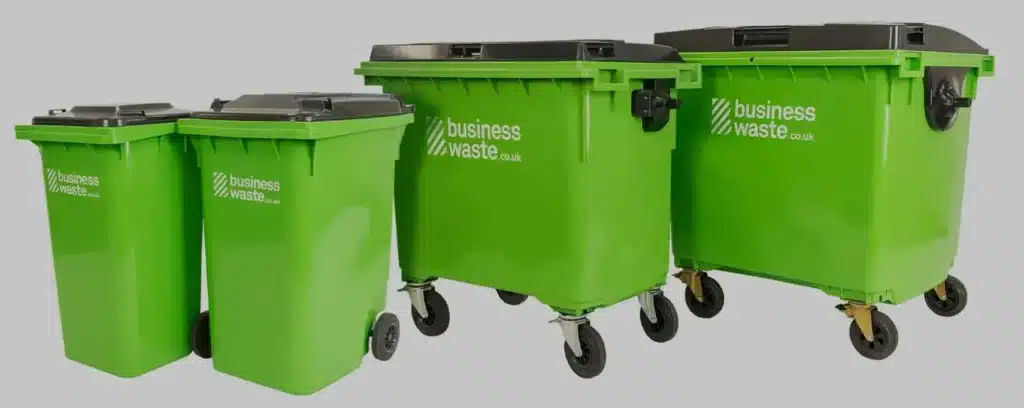
Most businesses do not think hard about their waste setup until something goes wrong. The bin overflows the day before collection. The area behind the shop becomes a mess. Council sends a notice. Then suddenly waste management becomes urgent. A commercial 660L wheelie bin for sale prevents all of that. It gives commercial premises the capacity, durability, and compliance credentials they need without requiring a skip bin or bulk waste contractor. For small to medium businesses, this bin size hits the right balance. It is the upgrade from household thinking to commercial reality.
What Business Types Benefit Most From a 660L Commercial Bin?
Retail centres generate high volumes of cardboard, packaging, and food waste from food court tenants. Medical and dental clinics need compliant general waste containment alongside their clinical waste streams. Gyms and fitness centres produce large quantities of towels, cups, and packaging. Office buildings with multiple tenants share communal waste areas where volume quickly exceeds 240L bin capacity. Hotels generate kitchen waste, laundry, and guest rubbish around the clock. All of these environments share one trait: they produce more waste than a standard residential bin can manage.
How Does a 660L Bin Help Businesses Stay Compliant With Council Rules?
Local councils across Australia set requirements for commercial waste storage. These typically include containment within approved receptacles, prevention of littering beyond the premises boundary, and restrictions on what can be stored in general waste streams. A properly specified 660L commercial bin with a closing lid satisfies the physical containment requirements in most councils. Businesses that use undersized bins and leave overflow waste in bags on the ground risk infringement notices. The fine varies by council but averages between $500 and $3,000 for a first offence.
What Aesthetic Considerations Matter for Business Premises?
Image matters. A row of cracked, stained, mismatched bins outside a restaurant or retail store affects customer perception. Commercial 660L bins come in standard colours that align with waste stream identification requirements, and modern designs are considerably cleaner in appearance than older models. Some businesses position bins in dedicated enclosures or screened areas to keep them out of customer sight entirely. A uniform set of properly maintained bins signals operational discipline. It is a small detail that contributes to the overall impression a business creates.
How Does a 660L Bin Compare to a Skip Bin for Business Use?
Skip bins require scheduled delivery and pickup. They take up significant space when on site. They cannot be moved easily once placed. They are cost-effective for one-off large volumes but expensive for ongoing daily waste management. A 660L wheelie bin can be repositioned as needed, collected on a regular service schedule, and managed by in-house staff without a delivery event. For businesses with consistent daily waste output, the ongoing cost of wheelie bin service is significantly lower than regular skip bin hire. The flexibility alone makes it the better operational choice.
Can Businesses Customise 660L Bins for Branding or Identification?
Yes. Colour coding by waste stream is the most common customisation. Some suppliers offer bin stickers or panel printing for premises identification. Numbered or labelled bins reduce the chance of neighbouring businesses swapping bins, which is a more common problem than people expect in shared loading dock environments. For businesses managing multiple sites, a consistent labelling and colour system makes waste management auditing straightforward and prevents the operational confusion that comes from inconsistent setups across locations.
What Should Businesses Look for in a 660L Commercial Bin Supplier?
Stock availability matters. A supplier with bins in the warehouse ships within days. One that imports to order might take weeks. Check whether the bins meet Australian standards for commercial waste containment. Verify that replacement parts like wheels, lids, and axles are available because those are the components that wear first. Look for a supplier with commercial account options rather than just retail purchasing. Businesses buying multiple bins at once should expect volume discounts. If a supplier cannot offer that, another one will.