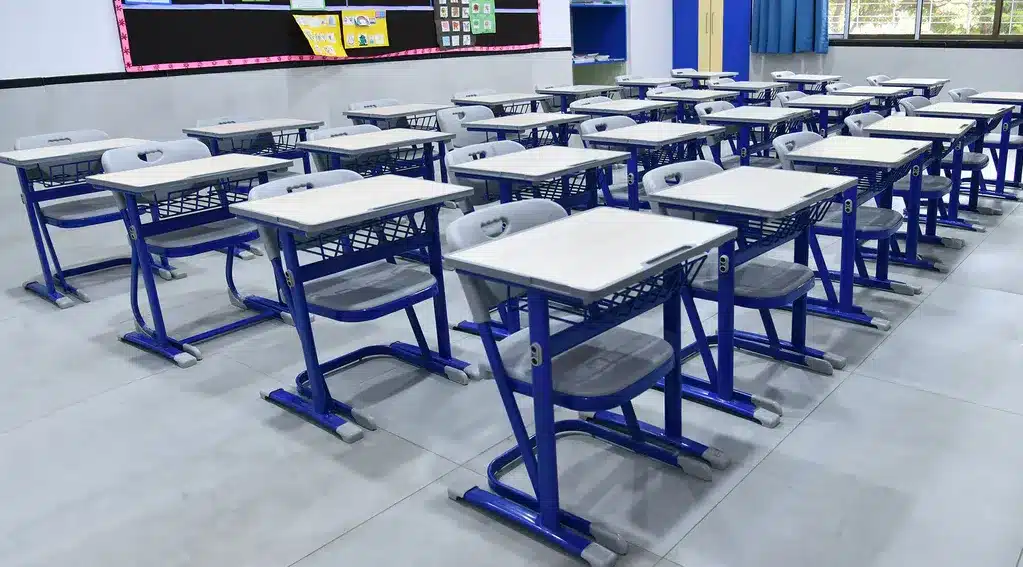
Schools need furniture that can survive thousands of kids over many years while still helping students learn better. That’s a tough combination to get right. Commercial furniture for schools gets designed and built completely differently than regular furniture because it faces unique challenges. Students fidget, climb, lean back in chairs, and generally test furniture limits in ways adults don’t. A furniture durability study found that school chairs experience forces up to 400% greater than typical office use. Schools replacing furniture every few years waste money that could go toward books, technology, or teacher salaries. Quality educational furniture lasts 15-20 years even with heavy daily use. Research from education facilities planners shows that appropriate furniture choices can improve test scores by 5-8% because comfortable students focus better on learning instead of their sore backs.
How does furniture durability save schools money long term?
Budget furniture seems like a smart choice when money is tight. But those $30 plastic chairs crack after two years of elementary school use. Commercial grade school chairs cost around $85 but last ten years minimum. Over a decade, cheap chairs cost $150 per seat while quality ones stay at $85.
The math gets even better when you consider labor costs. Maintenance staff spend hours repairing or replacing broken furniture. One school district calculated they spent $12,000 annually on furniture repairs before switching to commercial grade pieces. After the upgrade, repair costs dropped to under $2,000 yearly.
Why do different grade levels need different furniture features?
Kindergarteners and high school seniors have completely different body sizes and learning needs. Elementary furniture uses bright colors and rounded edges for safety. Middle school furniture transitions to more mature designs that adjust as kids grow rapidly during those years.
High school furniture needs to support longer sitting periods for lectures and testing. Ergonomic chairs designed for teenagers reduce fidgeting by 40% according to classroom observation studies. Adjustable desk heights matter because a freshman and senior might differ by 10 inches in height but share the same classroom.
What role does furniture play in creating flexible learning spaces?
Modern teaching methods move away from rows of desks facing forward all day. Students work in groups, do individual projects, watch presentations, and participate in discussions. Furniture needs to support all these different activities without requiring a complete room reset between each one.
Lightweight, stackable chairs and mobile desks let teachers reconfigure rooms in under five minutes. Schools using flexible furniture reported 55% more varied teaching methods compared to those stuck with fixed furniture. This variety keeps students more engaged, which directly impacts learning retention.
How does furniture design affect student behavior and focus?
Uncomfortable students become disruptive students. When chairs don’t fit properly, kids squirm and distract their neighbors. Properly sized furniture with appropriate back support reduces classroom disruptions by approximately 30% based on teacher surveys.
Active seating options like wobble stools give naturally fidgety students an outlet that doesn’t disturb others. Classrooms testing these options saw 25% better focus during long lessons. The movement satisfies the need to fidget while keeping students in their learning space.
What safety features matter most in school furniture?
School furniture undergoes stricter safety testing than almost any other category. Sharp corners and edges create injury risks with active kids. Commercial school furniture uses rounded edges and smooth surfaces throughout. Stability testing ensures chairs and desks won’t tip over easily, which prevents the 8,000 furniture related injuries that happen in schools annually according to safety data.