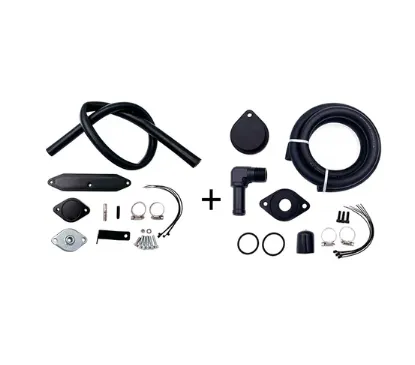
Contemporary diesel engines are engineered to find a middle ground between performance, efficiency, and emissions. At the heart of this balance is the Exhaust Gas Recirculation system. Over the past decade, there has been a noticeable increase in driver and student interest in the egr delete kit and EGR valve delete kit, mainly to understand what they do and why they are so widely discussed.
This guide explains the concept using clear, factual, and experience based language so the topic is easy to understand without being overwhelmed by technical jargon. It is designed to be ready to publish and suitable for general readers, students, and diesel enthusiasts alike.
Simplified Explanation of the EGR System
The EGR system works by recirculating a portion of exhaust gases back into the engine intake. Its primary goal is to reduce nitrogen oxide emissions by lowering combustion temperatures. From an emissions control perspective, this approach is effective.
From an engine health standpoint, however, the system has notable drawbacks. Under real world driving conditions, especially in diesel vehicles, these recirculated gases carry soot and carbon. Over time, this buildup can clog the intake manifold, EGR valve, and related sensors.
Most drivers first notice rough idling, reduced fuel economy, and sluggish throttle response. These recurring issues are what lead many people to consider an EGR delete kit in the first place.
What Is an EGR Delete Kit
An EGR delete kit is an intake system modification that allows removal of the factory EGR cooler, valve, and related hardware. Instead of maintaining the EGR system and allowing exhaust gases to return to the intake, the kit blocks this pathway entirely.
Most kits include block off plates, coolant reroute components where required, and in some cases software tuning support. When installed correctly, the engine only draws in clean air.
From a professional and industry perspective, the appeal is simplicity. Eliminating exhaust gas recirculation removes one of the primary sources of carbon buildup in diesel engines.
How an EGR Valve Delete Kit Works
Understanding how an EGR valve delete kit works becomes easier once its purpose is clear. The focus is on removing or disabling the EGR valve, which is the main control point for exhaust gas flow and one of the most failure prone components in the system.
Once the valve is removed or disabled, the engine control unit no longer commands exhaust gas recirculation. On many vehicles, ECU tuning is required alongside the hardware installation to avoid engine warning lights or limp mode.
When the process is completed correctly, the engine operates more smoothly because combustion conditions remain consistent and unrestricted.
Performance and Engine Reliability Benefits
Many users report noticeable improvements after installing an EGR delete kit. Throttle response often feels sharper, and overall engine operation becomes smoother. These changes are not the result of direct power gains but rather reduced airflow restriction and the elimination of irregular intake conditions caused by soot buildup.
From a reliability standpoint, fewer components mean fewer potential failures. Over the years, intake systems tend to remain cleaner for much longer once the EGR system is removed. This can significantly reduce maintenance costs related to clogged valves, sensors, and intake manifolds.
Fuel Efficiency and Driving Experience
Fuel efficiency improvements depend on driving habits and vehicle type, but many drivers notice consistent gains. Cleaner combustion allows the engine to operate closer to its optimal air to fuel ratio.
Long distance drivers often appreciate the steady performance over extended trips. The overall driving experience becomes more predictable, with fewer warning lights, reduced throttle hesitation, and a lower risk of sudden power loss caused by EGR related faults.
Emissions, Legal, and Practical Considerations
It is important to address the legal aspect honestly. In many regions, removing emissions equipment such as the EGR system is not street legal. An EGR valve delete kit is most commonly used in off road, racing, or agricultural applications where emissions regulations differ.
From an educational perspective, students and hobbyists should understand that deleting the EGR system increases nitrogen oxide emissions. The decision often comes down to a balance between environmental responsibility and mechanical simplicity. Responsible use and awareness of local regulations are essential.
Installation and Maintenance Insights
For experienced mechanics, installing an EGR delete kit is generally straightforward. For beginners, it can be challenging. Proper sealing, correct coolant routing, and appropriate ECU tuning are critical to avoid issues such as coolant leaks or engine warning codes.
Once installed, maintenance becomes much simpler. Without exhaust gases passing through the intake, oil contamination and carbon coating are greatly reduced. This often results in longer intervals between deep cleaning and intake servicing.
EGR Delete Kit vs Keeping the Stock EGR System
Keeping the factory EGR system intact helps maintain emissions compliance and avoids potential legal concerns. However, it also means accepting periodic cleaning, valve replacements, and possible performance issues over time. Choosing an egr valve delete kit removes many of these mechanical weaknesses but places responsibility on the owner to ensure the vehicle is used appropriately and legally. Drivers who clearly understand their vehicle’s purpose and operating conditions tend to be satisfied with their decision either way.
FAQs
Does an EGR delete kit damage the engine?
When installed correctly and paired with proper tuning, an EGR delete kit does not directly damage the engine. In many cases, it can improve long term reliability by reducing internal contamination.
Does fuel economy always improve after deleting the EGR?
Fuel economy changes vary depending on driving style and vehicle design. Most drivers experience more consistent efficiency rather than dramatic fuel savings.
Will an EGR valve delete kit cause excessive smoke?
In properly tuned engines, smoke levels often decrease. More stable combustion results in cleaner and more predictable exhaust output.
Does deleting the EGR system shorten engine life?
Based on practical experience, engines with deleted EGR systems often show less internal fouling. This reduced contamination can support a longer service life when the modification is done correctly.